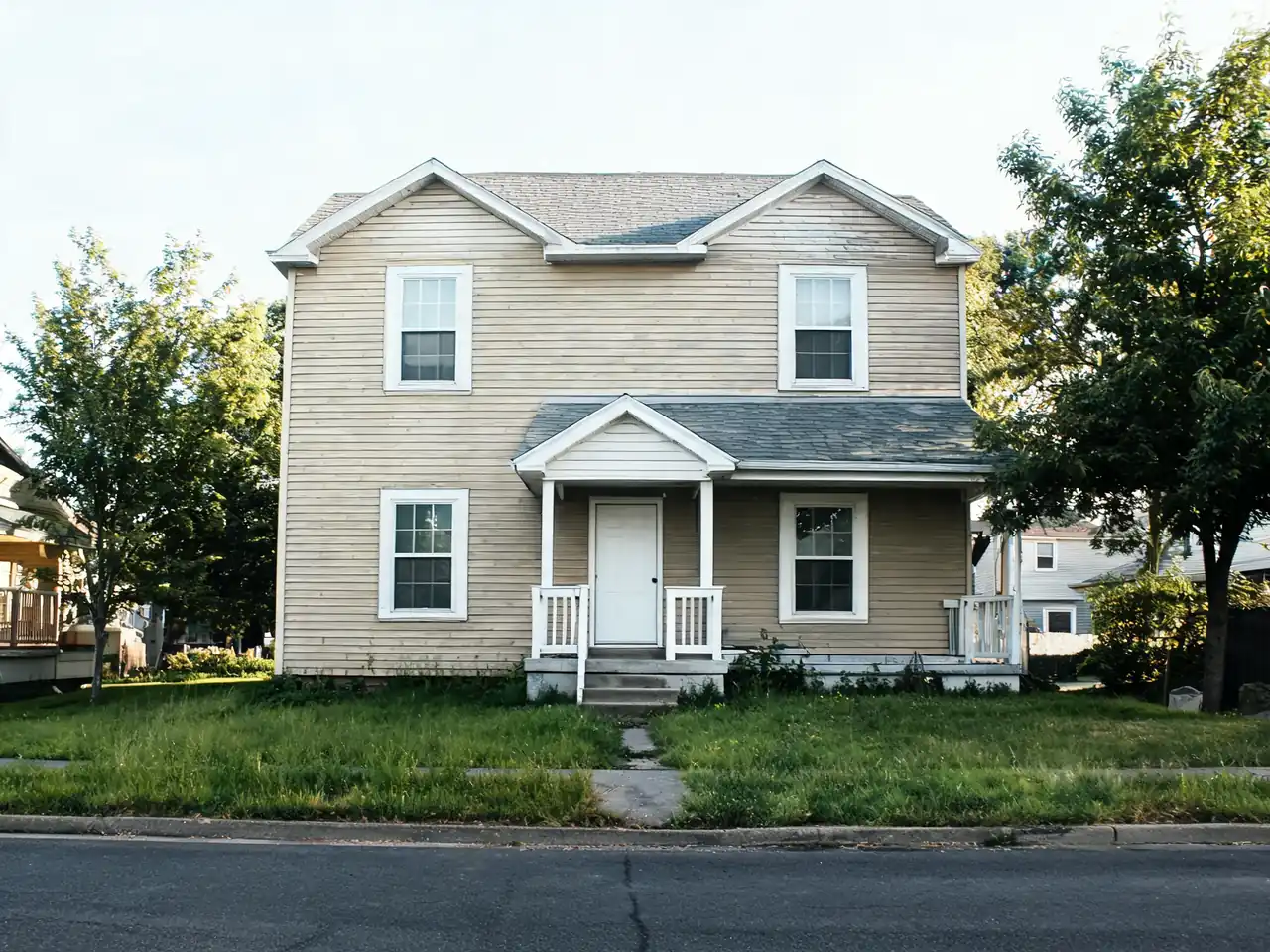
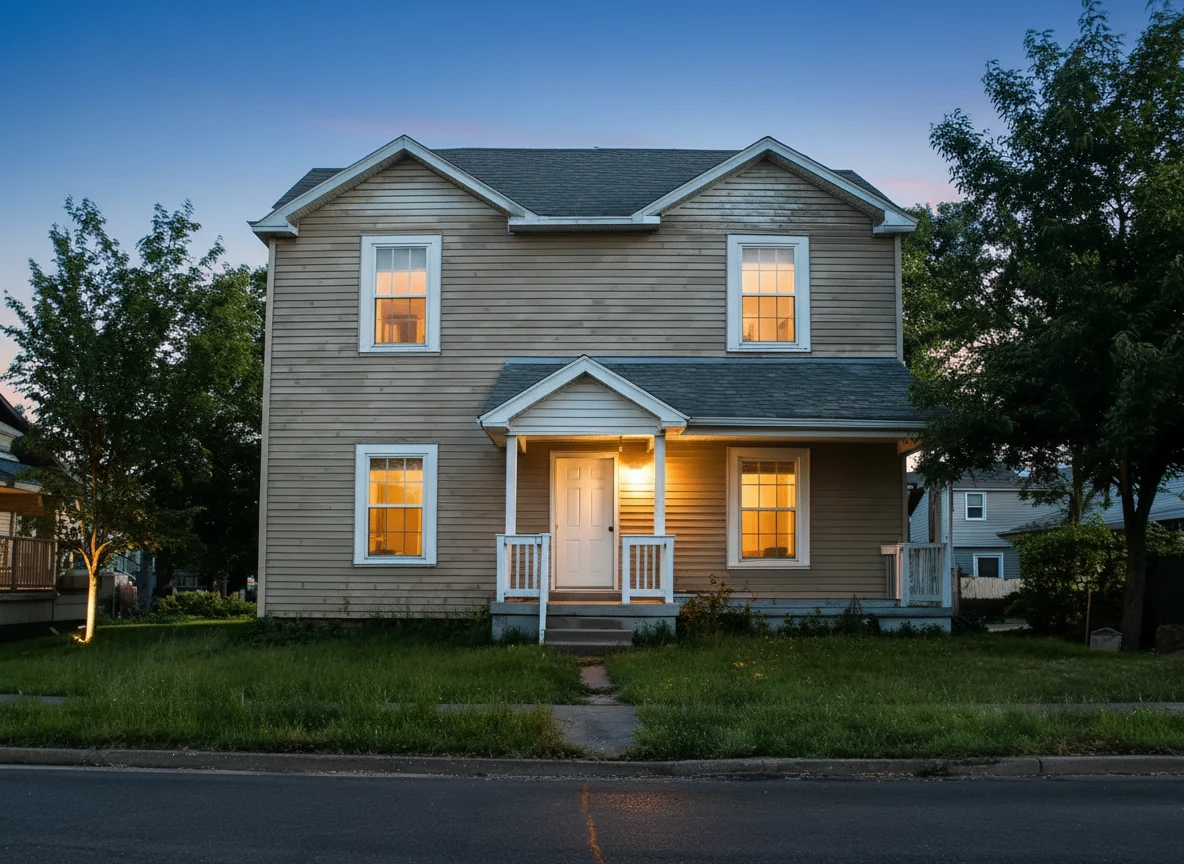
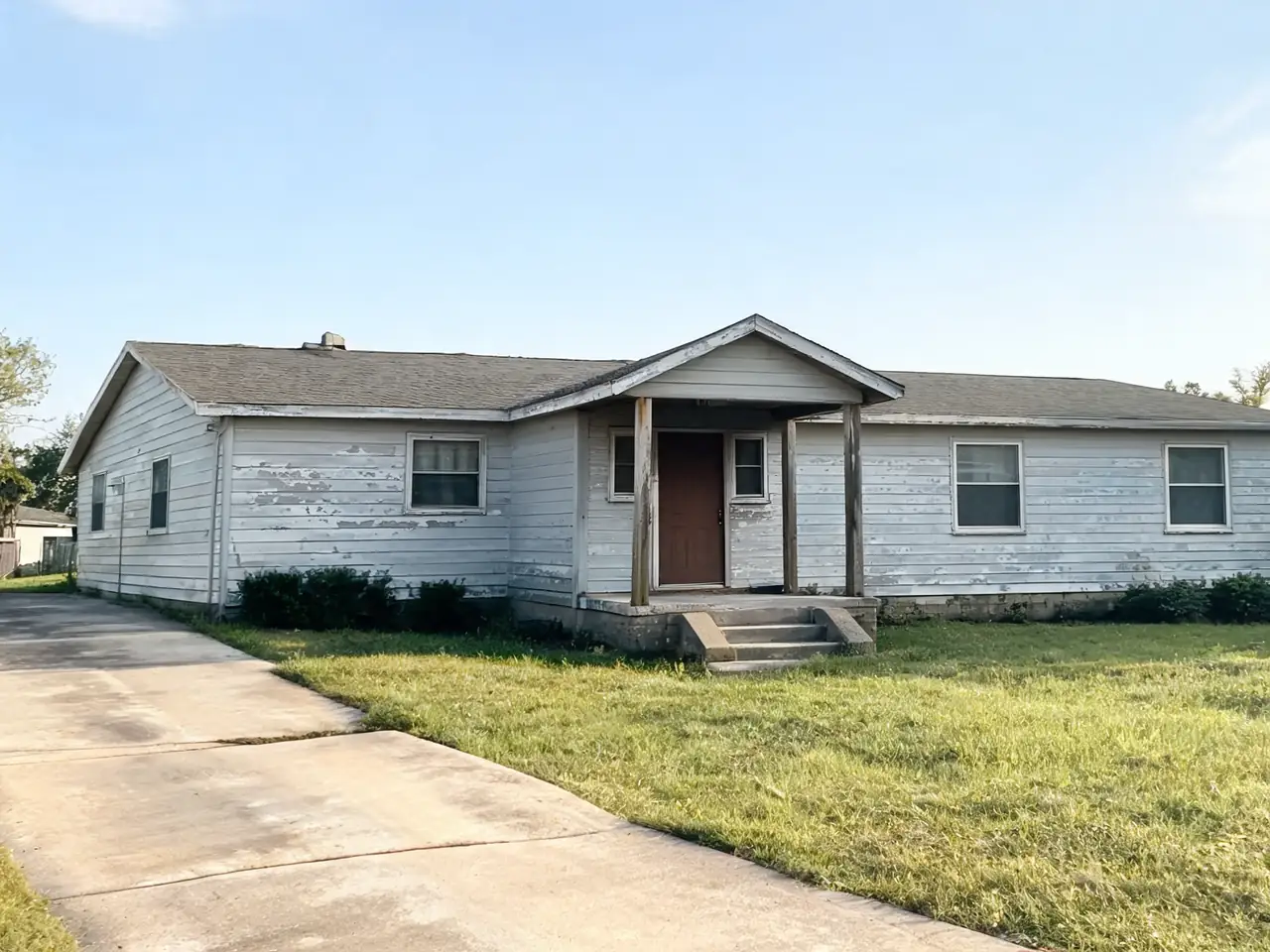
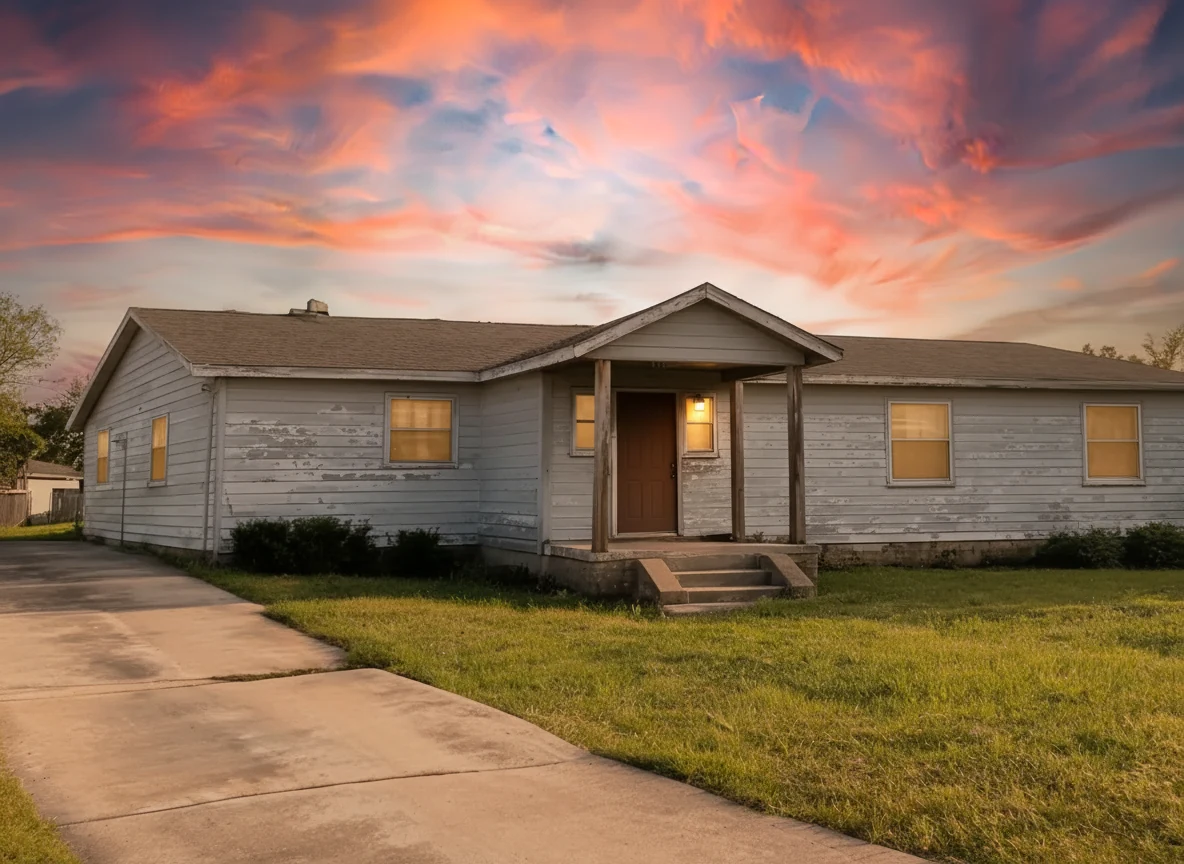
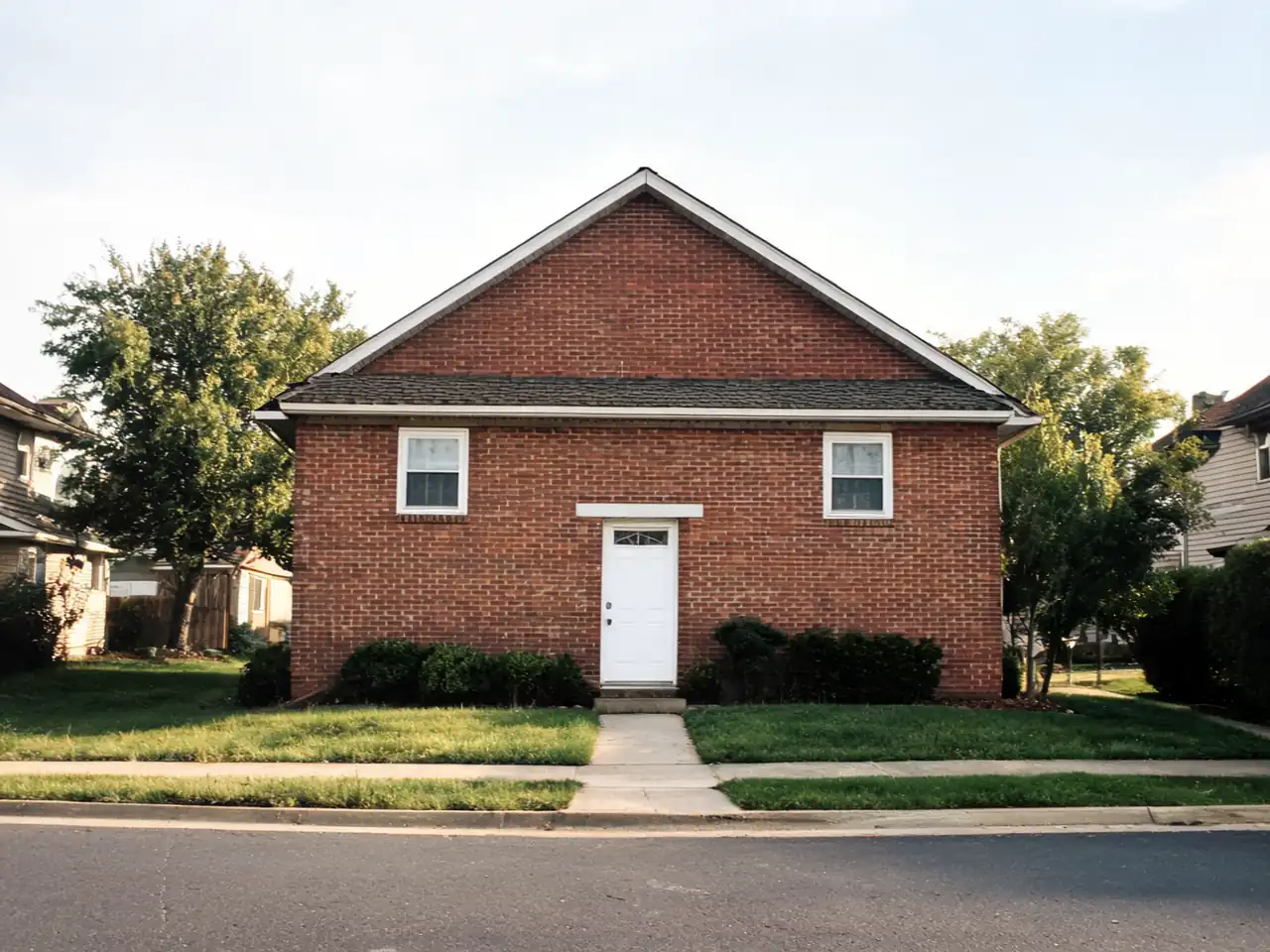
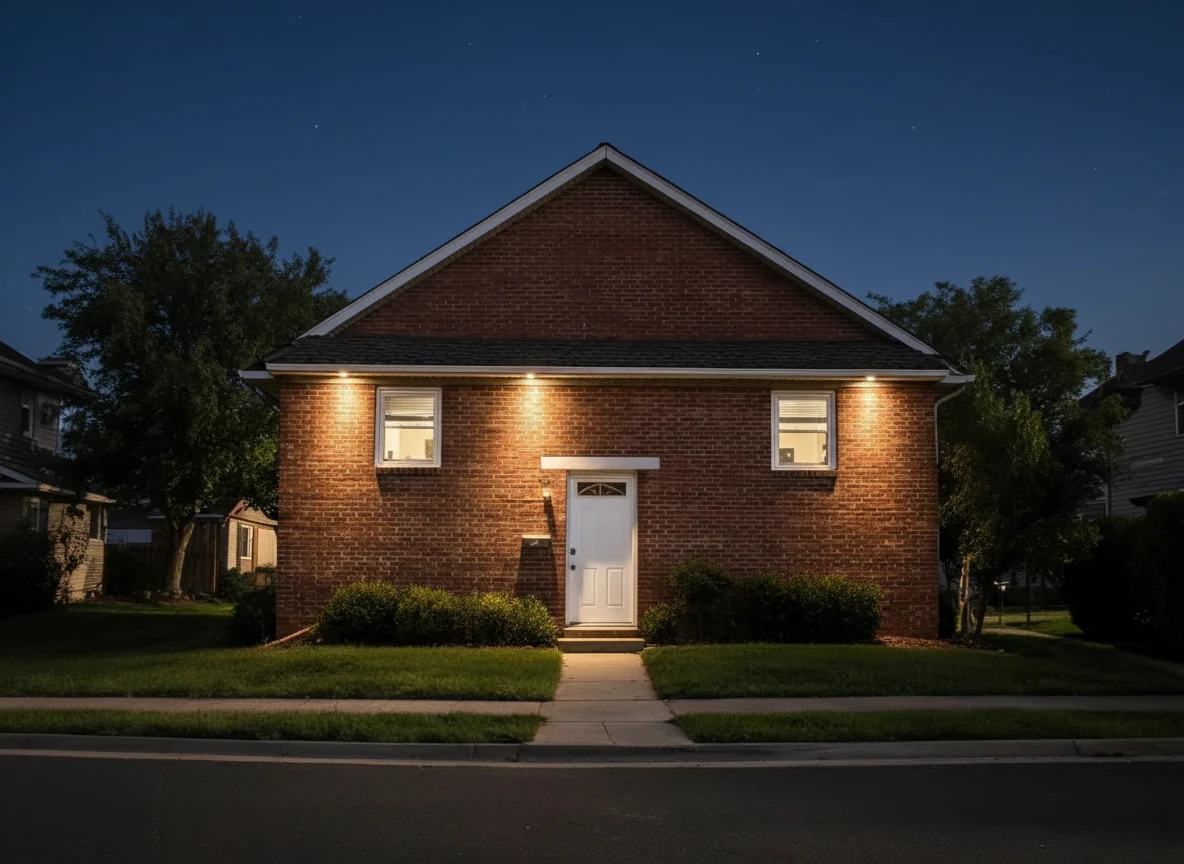
It is the conversion of a daytime exterior photo into a twilight one — blue hour sky, warm light in the windows, lit porch and path. Agents use it as the hero image on a listing because twilight shots get the most clicks, and it removes the need for a second photography visit at dusk.
AI Day to Dusk Photo Editing
AI Day to Dusk Photo Editing is a free AI tool. Free AI day to dusk converter — turn a daytime exterior photo into a twilight listing shot with warm window lights and a blue-hour sky in about 30 seconds. No photographer callback needed.
Free to try · first generation free on signup · no credit card
1
Step 1
Upload Image
Start by uploading image
Upload your image
Click to browse or drag & drop
2
Step 2
Select Mode
Choose your transformation style
Convert a daytime exterior into a twilight shot
3
Step 3
Options
Configure your options
Output quality:
Mode
Day to Dusk
Your AI Design Will Appear Here
Fill in the options on the left, then press Generate.
Upload your image
Drag & drop your file here or click to browse
JPG, PNG, WebP
Max 10MB
AI Ready
Popular in Home Design Studio
Paint My House AIExterior House Paint AIAI Kitchen DesignAI Bathroom DesignAI Bedroom DesignFree AI Architecture GeneratorAI Interior Design From a PhotoAI Landscaping DesignHome Color Combination AIAI Curb Appeal RaterAI Interior Design RaterAI House Style IdentifierAI Renovation Cost EstimatorAI Declutter Room PhotosAI Home Addition VisualizerAI Home Design Tools Compared
Quick facts about AI Day to Dusk Photo Editing
- Tool nameAI Day to Dusk Photo Editing
- CategoryHome Design
- PriceFree to try
- InputPhoto upload + text prompt
- OutputAI-generated image
Twilight photos are the single most clicked image type in a property listing — and they are also the most expensive to get, because they need a photographer to come back at the one time of day that lasts twenty minutes. This tool relights the daytime photo you already have.
Free to try · results in about 30 seconds · no card required
What "day to dusk" actually means in real estate photography
Day to dusk is the trade name for converting an ordinary daylight exterior shot into a twilight one: a deep blue sky, warm light spilling out of the windows, the porch and path lit, and the house reading as somewhere you would want to arrive at the end of a day. It is the shot most agents want at the top of a listing, and it is the shot that is hardest to schedule, because real blue hour is a narrow window that moves every day and disappears entirely if the weather turns.
Traditionally you had two options. Book the photographer for a second visit at dusk, which costs another call-out fee and depends on the sky cooperating. Or send the daytime file to an editing service, wait a day or two, and pay per image. Both are fine. Both also mean the listing goes live without its best photograph, or goes live late.
The AI route changes the economics rather than the craft. You upload the daylight frame, choose how the sky and the lights should read, and get the twilight version back before the listing description is finished. The building, the roofline, the windows and the planting stay exactly where they were — the model changes the time of day, not the property.
Which daytime photos convert well — and which do not
The best source frame is flat. Bright overcast, early morning or late afternoon light all convert cleanly, because the shadows in the original are soft and the model is free to invent a new lighting direction. A harsh midday photo with hard black shadows on one side of the house is the hardest case: those shadows are baked into the pixels, and a twilight conversion that leaves noon shadows on the facade looks wrong even to people who cannot say why.
Frame the whole property with a bit of sky above the roofline. The sky is where most of the twilight effect lives, and a photo cropped tight to the front door gives the model almost nowhere to put it. Include the driveway and the front planting if you can — path lighting and uplit trees are a large part of why the twilight version reads as expensive.
Shoot it straight, too. A photo taken from an extreme angle or through a car windscreen will convert, but the result inherits every distortion in the original. This tool relights a photograph; it does not reshoot it.
Disclose it — the part most guides leave out
A dusk conversion is an edit to a photograph of a real property, and most real estate advertising rules treat significant edits as something a buyer is entitled to know about. Adding warm window light and a blue sky does not change the house, but it does change the impression, and several markets — along with most MLS image policies — expect edited or enhanced photos to be labelled as such.
The safe practice is simple and costs nothing: mark the image as digitally enhanced in the listing, and never use a twilight conversion to hide something the daytime photo showed. If the driveway is cracked in the original, it should still be cracked at dusk. Our conversions are deliberately conservative about the property itself for exactly this reason — the model is instructed to keep the structure, materials and planting intact and to change only the light.
Where the rules are stricter, or where you are unsure, check with your brokerage or local board before publishing. The rules vary by market, and this page is not legal advice.
Golden hour and interior evening — the same idea, different jobs
Not every property wants a dusk shot. A golden-hour relight is often the better choice for a house that faces the wrong way for evening light, or for a listing where the twilight look would read as theatrical — warm late-afternoon sun with long soft shadows makes brick, timber and stone look their best without the drama.
Interior Evening does the equivalent job indoors. A living room photographed at midday with blown-out windows is a common problem; converting it to an evening scene puts a twilight sky behind the glass and warm lamp light in the room, which is usually a more flattering way to show a space than fighting the window exposure.
All three modes share the same discipline: the room or the building stays exactly as photographed, and only the light changes. That is what keeps the result usable rather than merely pretty.
🌇
AI Day to Dusk Photo Editing
Upload your imageTap anywhere here — your AI design will appear in this space after you generate.JPG · PNG · WebP
Convert a daytime exterior into a twilight shot
Be specific for better results0/400
Output quality:
Frequently Asked Questions
About 30 seconds per image. A traditional editing service typically takes 12 to 48 hours, and a second photographer visit takes a whole evening slot that depends on the weather.
Just the lighting. The model is instructed to keep the building, roofline, windows, driveway and planting exactly as photographed and to change only the time of day, the sky and the light. That is deliberate — a twilight photo that quietly redesigns the property is not usable in a listing.
Usually yes. Most real estate advertising rules and MLS image policies expect digitally enhanced photos to be labelled. Marking the image as digitally enhanced costs nothing, and you should never use a dusk conversion to conceal something the daytime photo showed. Rules vary by market — check with your brokerage if you are unsure.
A flat one. Bright overcast, early morning or late afternoon light converts cleanly because the existing shadows are soft. Harsh midday photos with hard black shadows are the hardest, because those shadows are baked into the image and look wrong under a twilight sky.
Yes. Interior Evening converts a daylight interior into an evening scene with warm lamp light and a twilight sky through the windows — often a better way to show a room than fighting a blown-out window exposure at midday.
Yes. The sky control offers blue hour, golden sunset, late dusk, dramatic sunset and soft overcast twilight, and the separate Golden Hour mode relights a photo with warm late-afternoon sun instead of converting it to night.
You get free credits on signup with no card, which is enough to convert several photos. Paid plans add more credits and unlock the rest of the platform rather than charging a separate subscription for each tool.