Coffered, tray, vaulted and cathedral ceilings, exposed beams, tin tile and wood plank ceilings, in a range of materials and colors.
AI Ceiling Design
AI Ceiling Design is a free AI tool. Free AI ceiling design - Transform ceilings with coffered designs, tray ceilings, beams, and decorative elements. Visualize ceiling renovations instantly.
Free to try · first generation free on signup · no credit card
1
Step 1
Upload Image
Start by uploading image
Upload your image
Click to browse or drag & drop
2
Step 2
Options
Configure your options
Output quality:
Mode
Ceiling Style
Your AI Design Will Appear Here
Fill in the options on the left, then press Generate.
Upload your image
Drag & drop your file here or click to browse
JPG, PNG, WebP
Max 10MB
AI Ready
Popular in Home Design Studio
Paint My House AIExterior House Paint AIAI Kitchen DesignAI Bathroom DesignAI Bedroom DesignFree AI Architecture GeneratorAI Interior Design From a PhotoAI Landscaping DesignHome Color Combination AIAI Curb Appeal RaterAI Interior Design RaterAI House Style IdentifierAI Renovation Cost EstimatorAI Day to Dusk Photo EditingAI Declutter Room PhotosAI Home Addition VisualizerAI Home Design Tools Compared
Quick facts about AI Ceiling Design
- Tool nameAI Ceiling Design
- CategoryHome Design
- PriceFree to try
- InputPhoto upload + text prompt
- OutputAI-generated image
The ceiling is the most overlooked surface in a room and one of the most expensive to get wrong, because most ceiling treatments involve framing, trim carpentry or beam installation that is hard to undo once it is built. This tool lets you try coffered panels, a tray, exposed beams or a vaulted look on your actual room photo, so you know it works with your room's proportions and light before anyone picks up a tool.
Free to try · results in about 30 seconds · no card required
Matching the treatment to the room, not the other way around
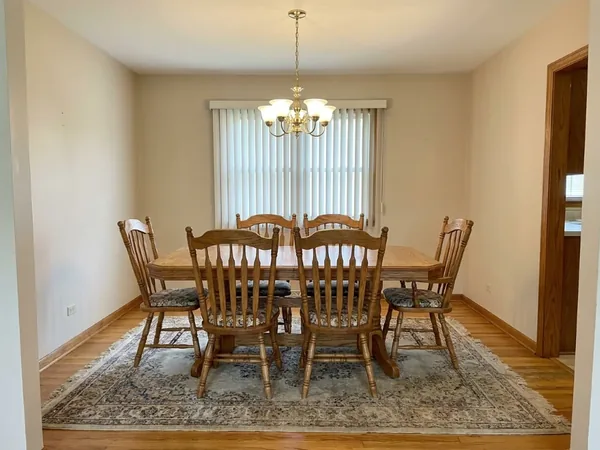
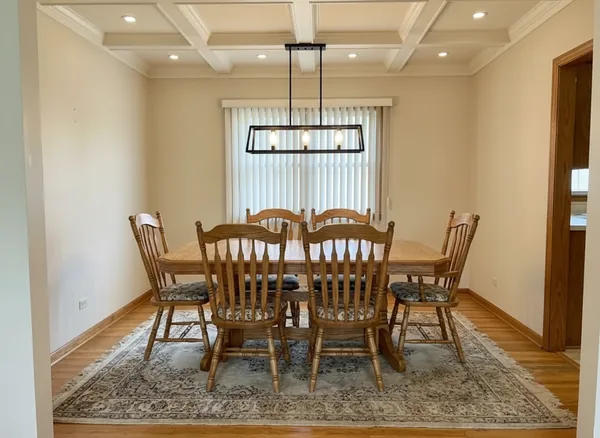
Coffered ceilings — a grid of recessed panels framed by beams — read as formal and traditional, and they need real ceiling height to work; in a room under about 8 to 9 feet, the framing eats enough height that the room can start to feel lower rather than more architectural. They suit dining rooms, formal living rooms and studies more than low-ceilinged bedrooms.
Tray ceilings step the center of the ceiling up a few inches above the perimeter, which adds a sense of height and drama without needing extra beam depth the way a coffered ceiling does. They work especially well in a primary bedroom or a dining room where you want the room to feel taller without full structural framing.
Exposed beams suit rooms that already lean rustic, farmhouse or transitional — a room with clean modern trim and minimal millwork elsewhere in the house can end up looking mismatched with heavy beams dropped in on top of it. Vaulted and cathedral treatments only apply where the roofline actually allows it; they follow the slope of the roof structure above, so they are a much bigger structural conversation than a flat-ceiling treatment.
Materials: what they cost you in upkeep, not just money
Painted drywall is the cheapest and most flexible base for any ceiling shape — coffered, tray or otherwise — because color can be changed in an afternoon and it takes any trim profile. Its downside is that flat painted drywall shows every imperfection under raking light from windows or downlights, which is part of why tray and coffered shapes are popular: the added depth breaks up that flatness.
Natural wood — planks or structural-look beams — adds warmth and texture that paint cannot fully fake, but it needs to be sealed or finished to avoid yellowing over time, and it is the heaviest option if beams are meant to look load-bearing rather than purely decorative. Painted wood splits the difference: the dimensional look of beams or planks with the color flexibility of paint.
Metal ceilings, most often as pressed tin tile panels, suit a specific look — traditional kitchens, bars, or a deliberately vintage room — and reflect more light than a matte painted ceiling, which can make a room feel brighter but also more visually busy if the rest of the room already has a lot going on.
Color and light: the part most people get wrong
White and off-white ceilings reflect the most light back into a room, which is why they remain the default in most homes — a darker ceiling absorbs more light and can make a room feel noticeably dimmer even with the same fixtures and bulbs. That tradeoff is worth seeing on your own room before committing, because the effect is much stronger in a real room than swatches suggest.
Natural or dark wood tones on a ceiling read as cozy and intentional in a den, library or dining room, but the same tone can make a low-ceilinged bedroom feel closed in. Black ceilings have become a deliberate design statement in some rooms — they can make a ceiling visually disappear into shadow at night, which some homeowners love and others find oppressive in daylight.
Lighting changes everything about how a ceiling treatment reads, and a photo taken with the room's actual light will always give you a more honest preview than a treatment viewed in isolation. Recessed lighting set into coffered panels, for instance, looks completely different from the same panels lit only by a central fixture.
Before you hire a contractor
This tool is for choosing a look — treatment, material and color — not for structural planning. Coffered and beam ceilings add real weight and need framing that a contractor has to verify against your actual ceiling joists and roof structure; vaulted and cathedral treatments are a roofline decision, not a cosmetic one.
Rooms with lower existing ceilings have real limits on what will look right rather than cramped, and no render can substitute for measuring your actual ceiling height against the depth of the treatment you want.
Use the result as a reference for a contractor conversation — a clear picture of the treatment, material and color you want tends to get a faster, more accurate quote than describing it verbally.
🔲
AI Ceiling Design
Upload your imageTap anywhere here — your AI design will appear in this space after you generate.JPG · PNG · WebP
Be specific for better results0/400
Output quality:
Frequently Asked Questions
Yes. Exposed beams can be added to any room ceiling, styled as decorative or structural-looking, in natural or painted wood.
The render works from your room's actual lighting in the photo and adjusts the ceiling to match it, rather than dropping in a treatment lit from nowhere.
It can, if the ceiling is already low — the framing adds real depth that eats into height. Coffered ceilings work best at roughly 8 to 9 feet or higher; try it on your own room photo to judge the effect before building anything.
A tray ceiling steps the center up a few inches above the perimeter in one simple shape, adding height with less framing. A coffered ceiling is a full grid of recessed panels framed by beams, which is more structural and more formal-looking.
Only where the roof structure above actually allows it — these treatments follow the roofline rather than sitting under a flat ceiling, so they are a bigger structural question than paint or trim and need a contractor to confirm feasibility.
It can make a room feel dimmer and more enclosed since it reflects less light than white or off-white, though many people like the cozy effect in dens, libraries or dining rooms. Try it on your actual room photo before painting.
Signing up gives you free credits with no card required, enough to try several ceiling treatments and colors. Paid plans add credits and unlock the whole platform rather than charging per tool.