A deck visualizer takes a photo of your actual deck or porch and re-renders it with the change you describe — a new stain color, a different railing style, a screen enclosure or a new pool deck surface. The AI reads the structure in your photo (boards, posts, stairs, the house edge) and changes only the surfaces you selected, so the result shows your deck, not a stock photo. Upload a photo, pick a mode, and the render arrives in about 30 seconds.
Deck & Porch Visualizer
Deck & Porch Visualizer is a free AI tool. Free deck and porch visualizer — upload a photo and preview deck stain colors, railing styles, a screened-in conversion or pool deck materials on your real house. Results in about 30 seconds.
Free to try · first generation free on signup · no credit card
1
Step 1
Upload Image
Start by uploading image
Upload a photo of your deck, porch or pool area
Click to browse or drag & drop
2
Step 2
Select Mode
Choose your transformation style
Preview deck paint and stain colors on your own boards
3
Step 3
Options
Configure your options
Output quality:
Mode
Deck Paint & Stain
Your AI Design Will Appear Here
Fill in the options on the left, then press Generate.
Upload a photo of your deck, porch or pool area
Capture the whole deck or porch in daylight — boards, railing and the house edge behind it
JPG, PNG, WebP
Max 10MB
AI Ready
Popular in Home Design Studio
Paint My House AIExterior House Paint AIAI Kitchen DesignAI Bathroom DesignAI Bedroom DesignFree AI Architecture GeneratorAI Interior Design From a PhotoAI Landscaping DesignHome Color Combination AIAI Curb Appeal RaterAI Interior Design RaterAI House Style IdentifierAI Renovation Cost EstimatorAI Day to Dusk Photo EditingAI Declutter Room PhotosAI Home Addition VisualizerAI Home Design Tools Compared
Quick facts about Deck & Porch Visualizer
- Tool nameDeck & Porch Visualizer
- CategoryHome Design Studio
- PriceFree to try
- InputPhoto upload + text prompt
- OutputAI-generated image
Before / After
Example results
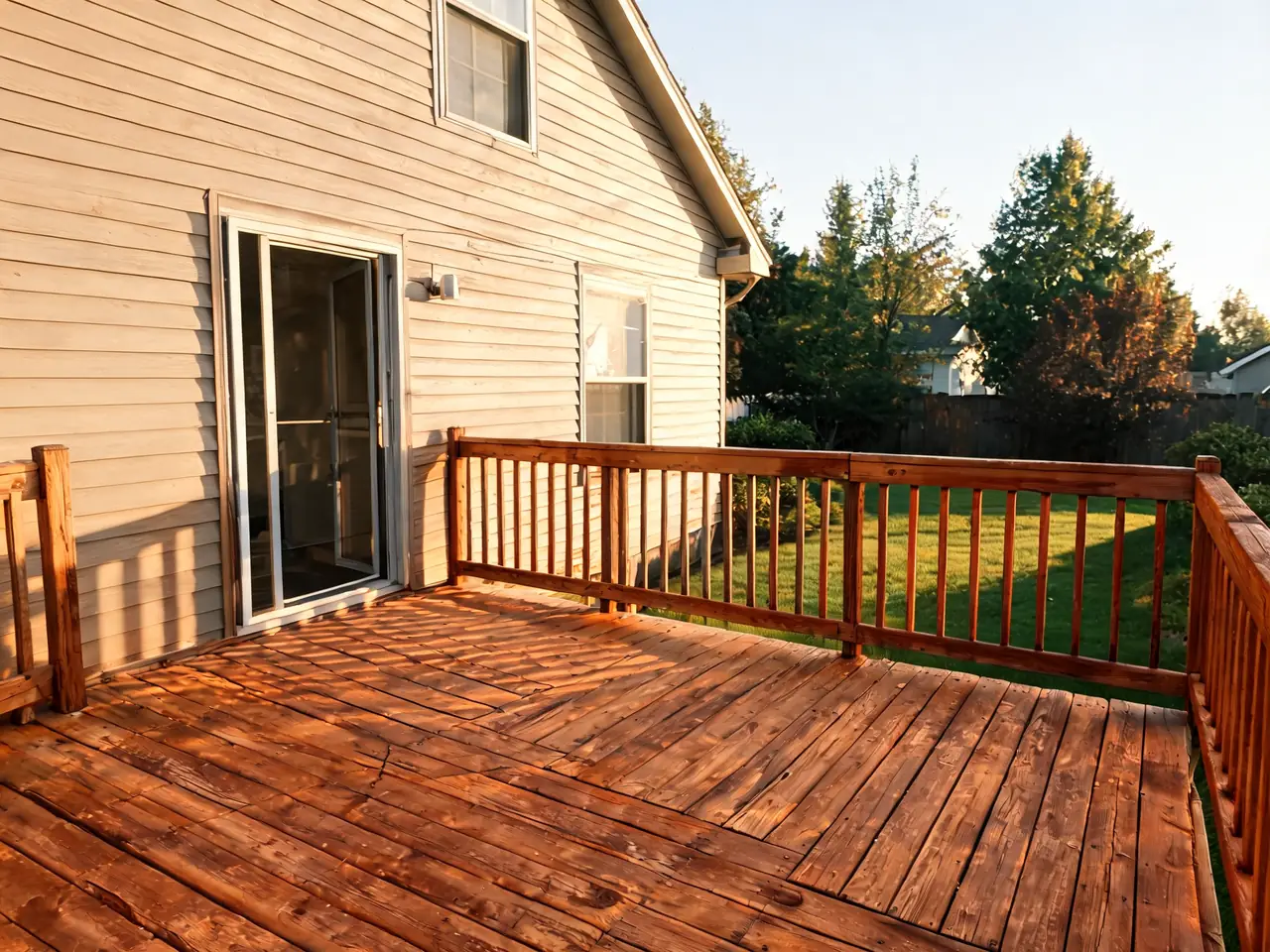
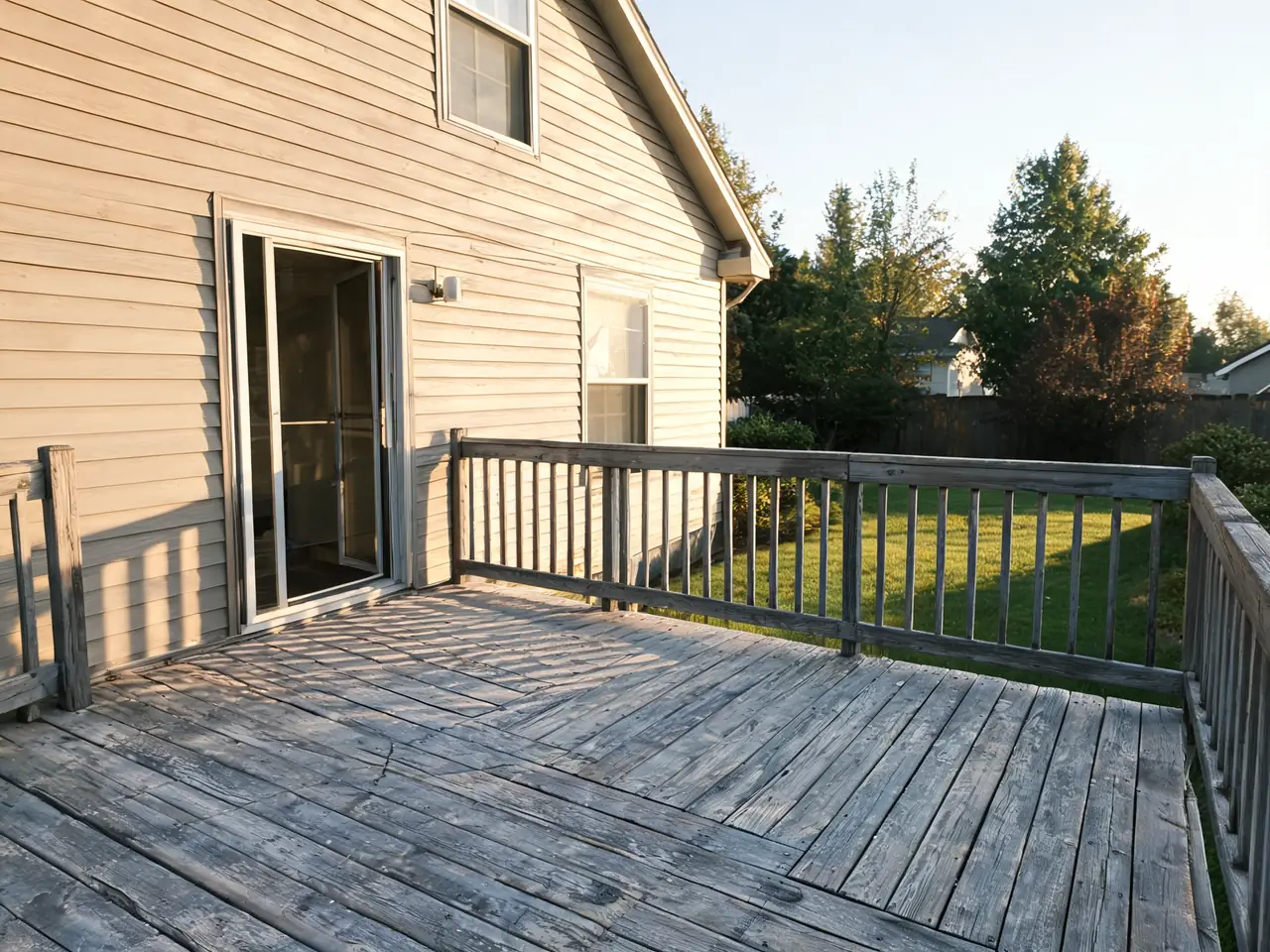
Drag to compare
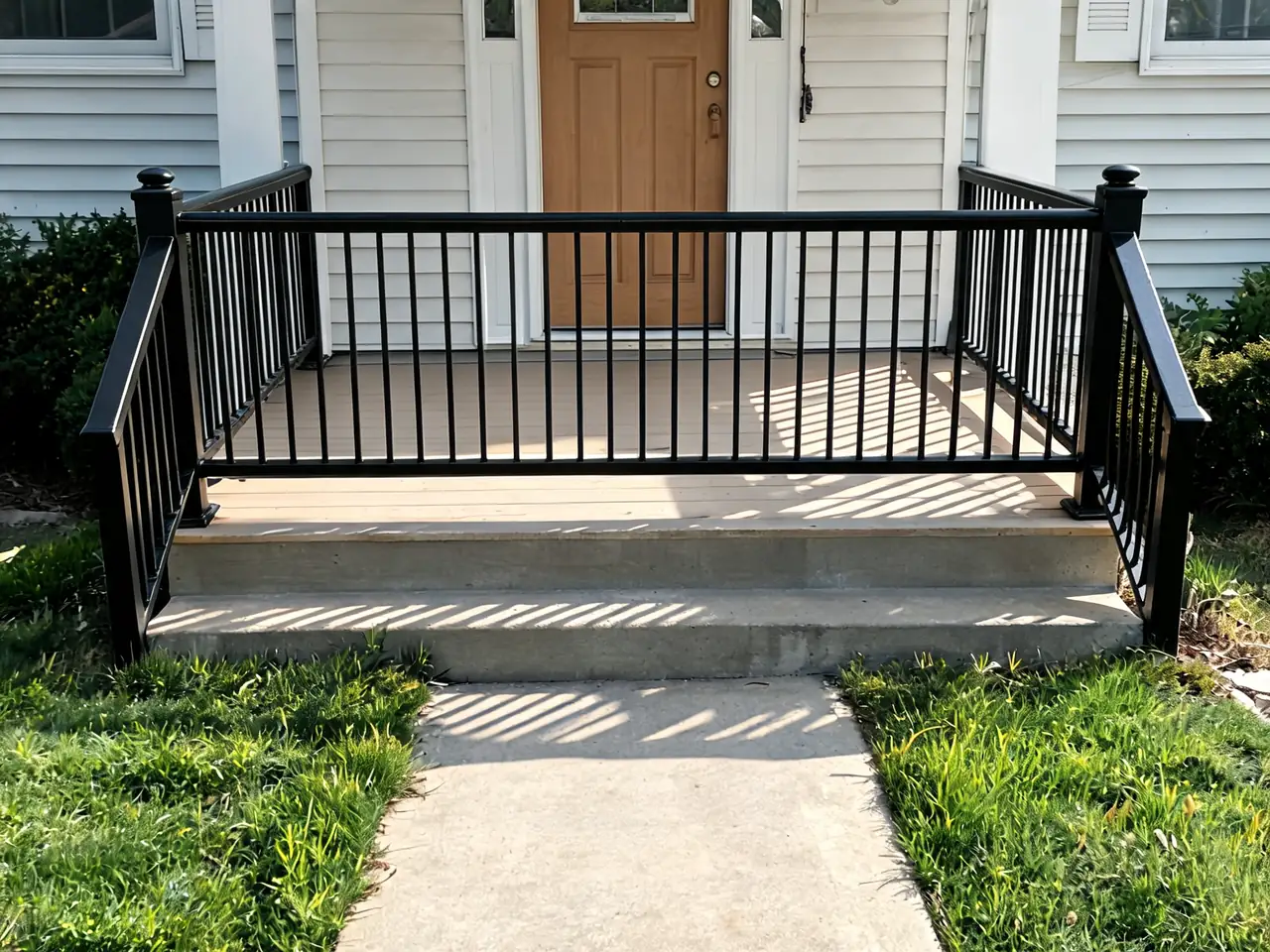
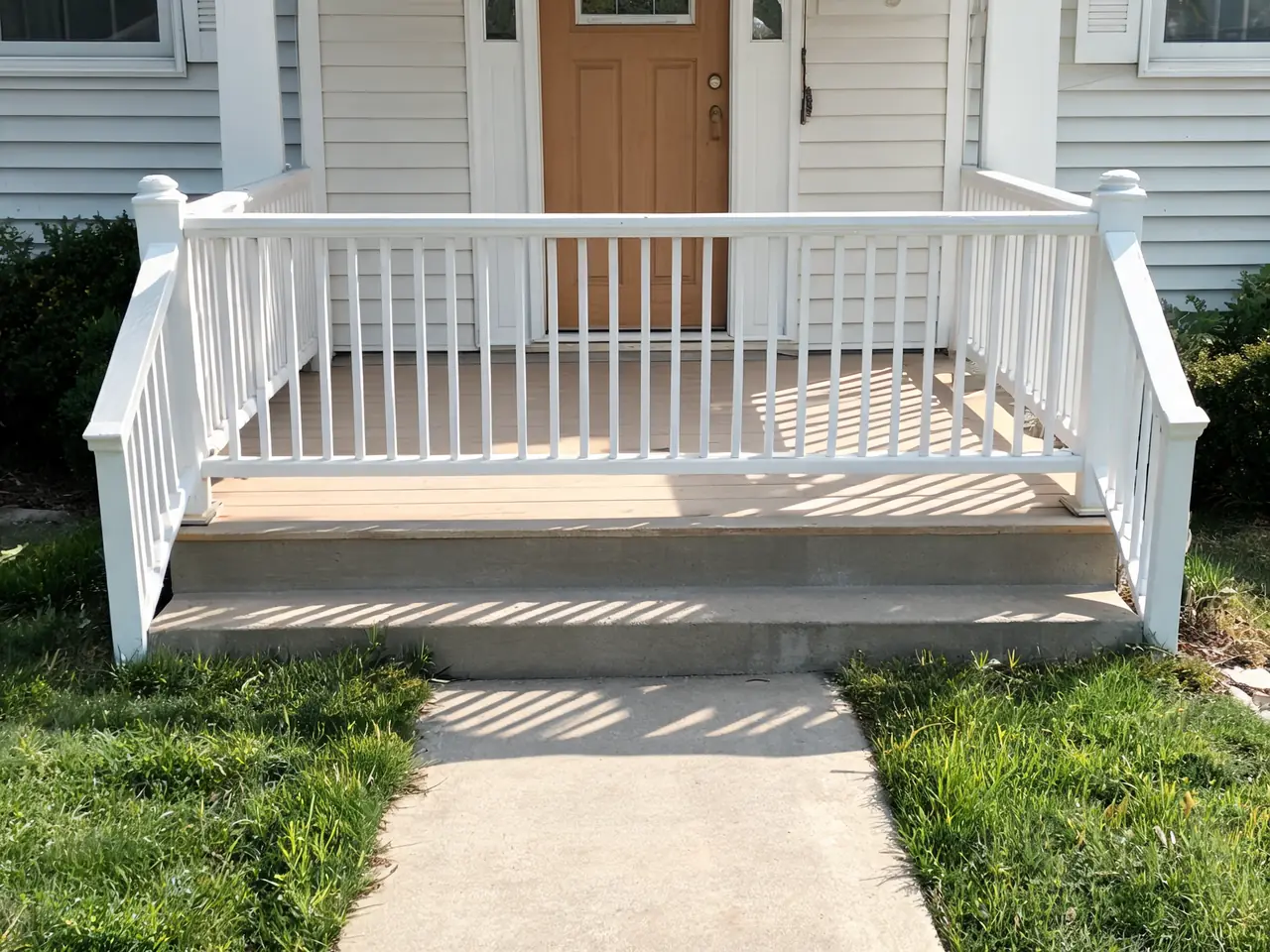
Drag to compare
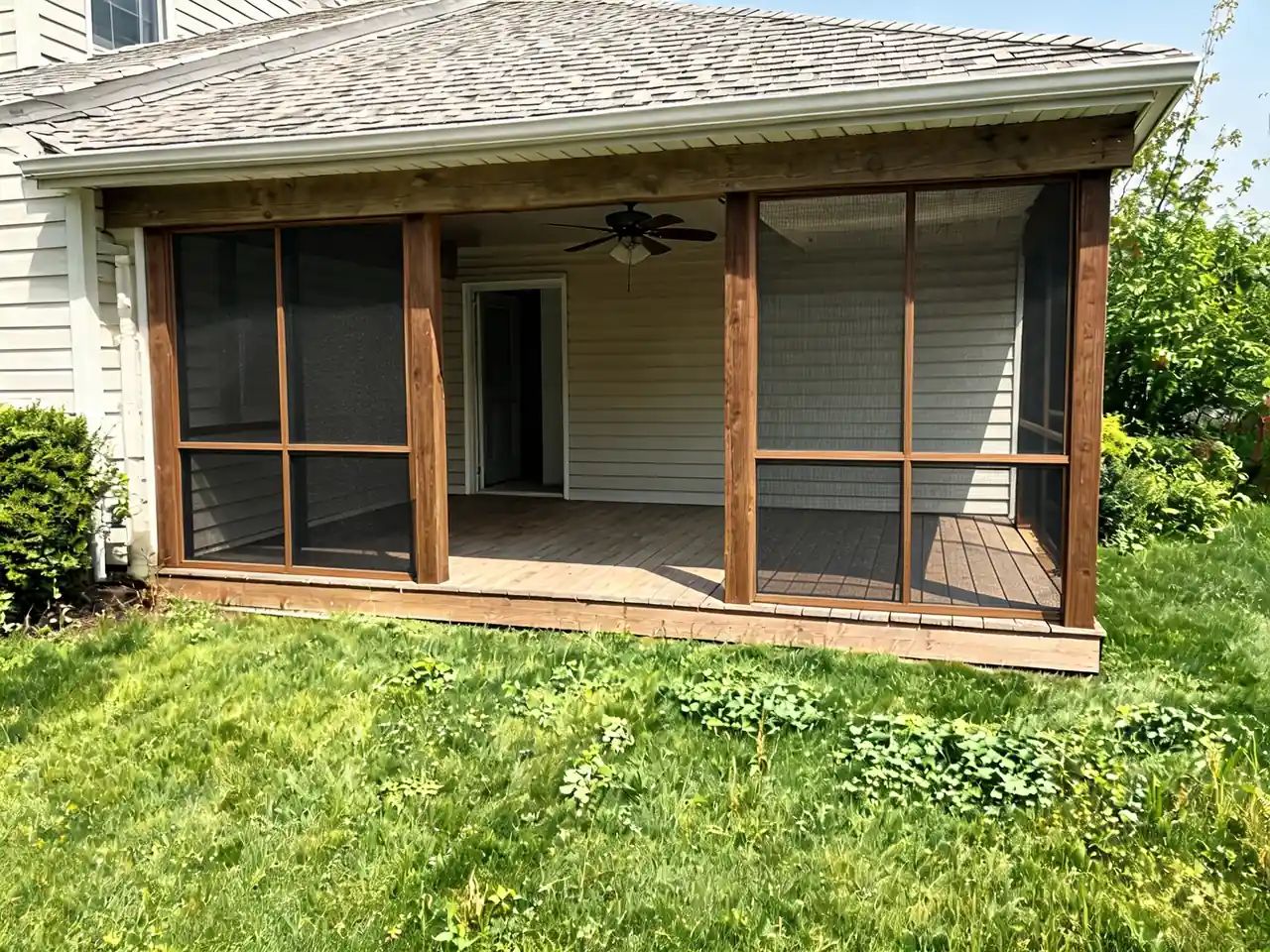
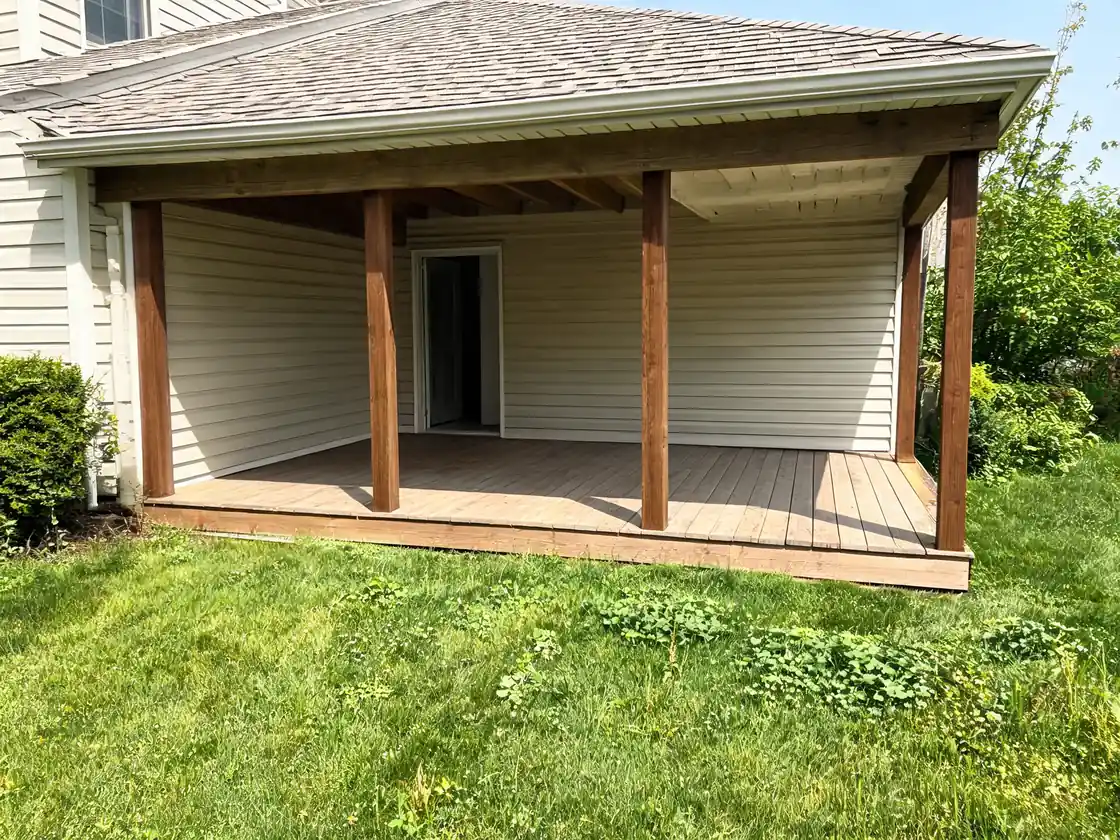
Drag to compare
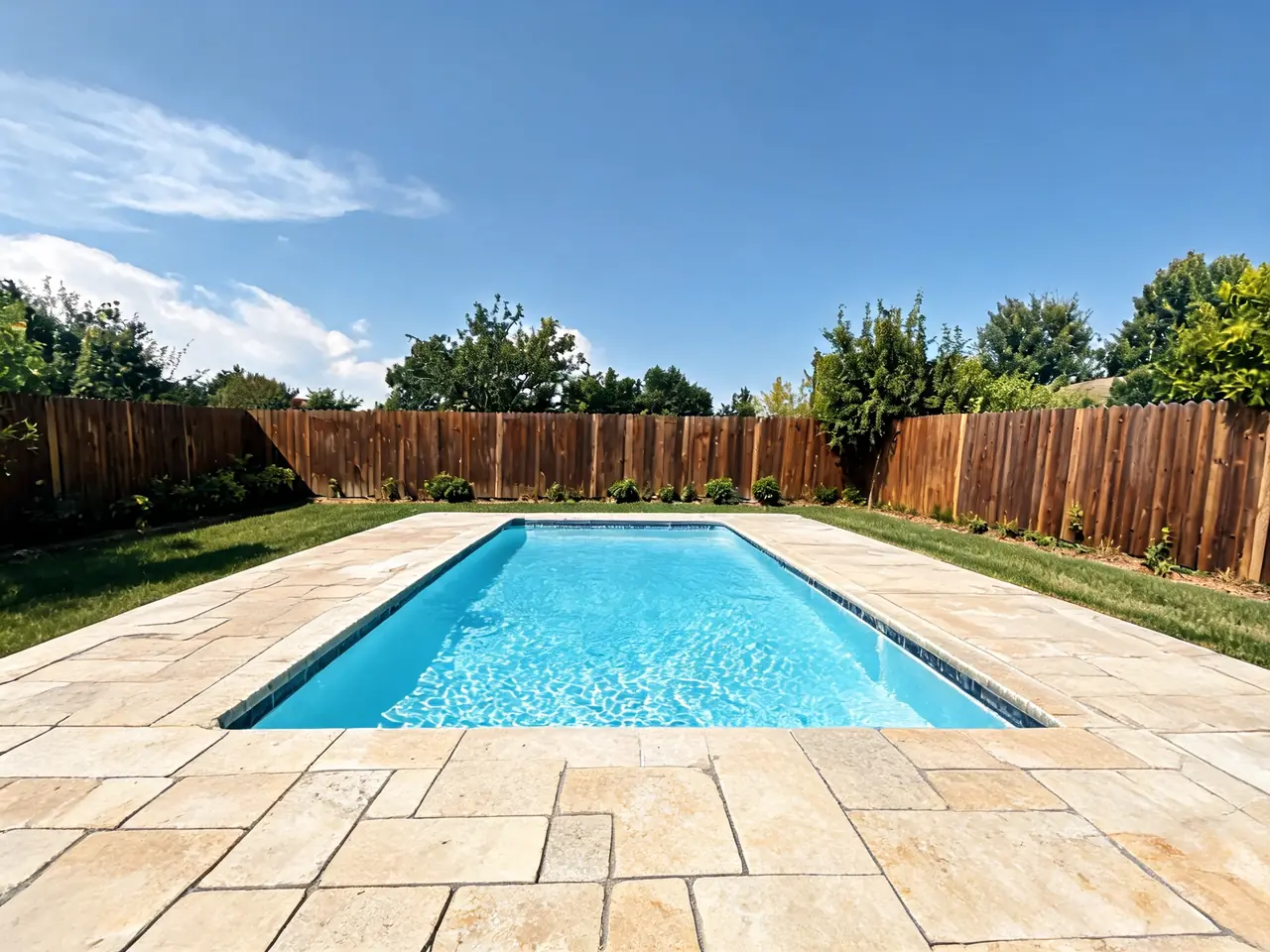
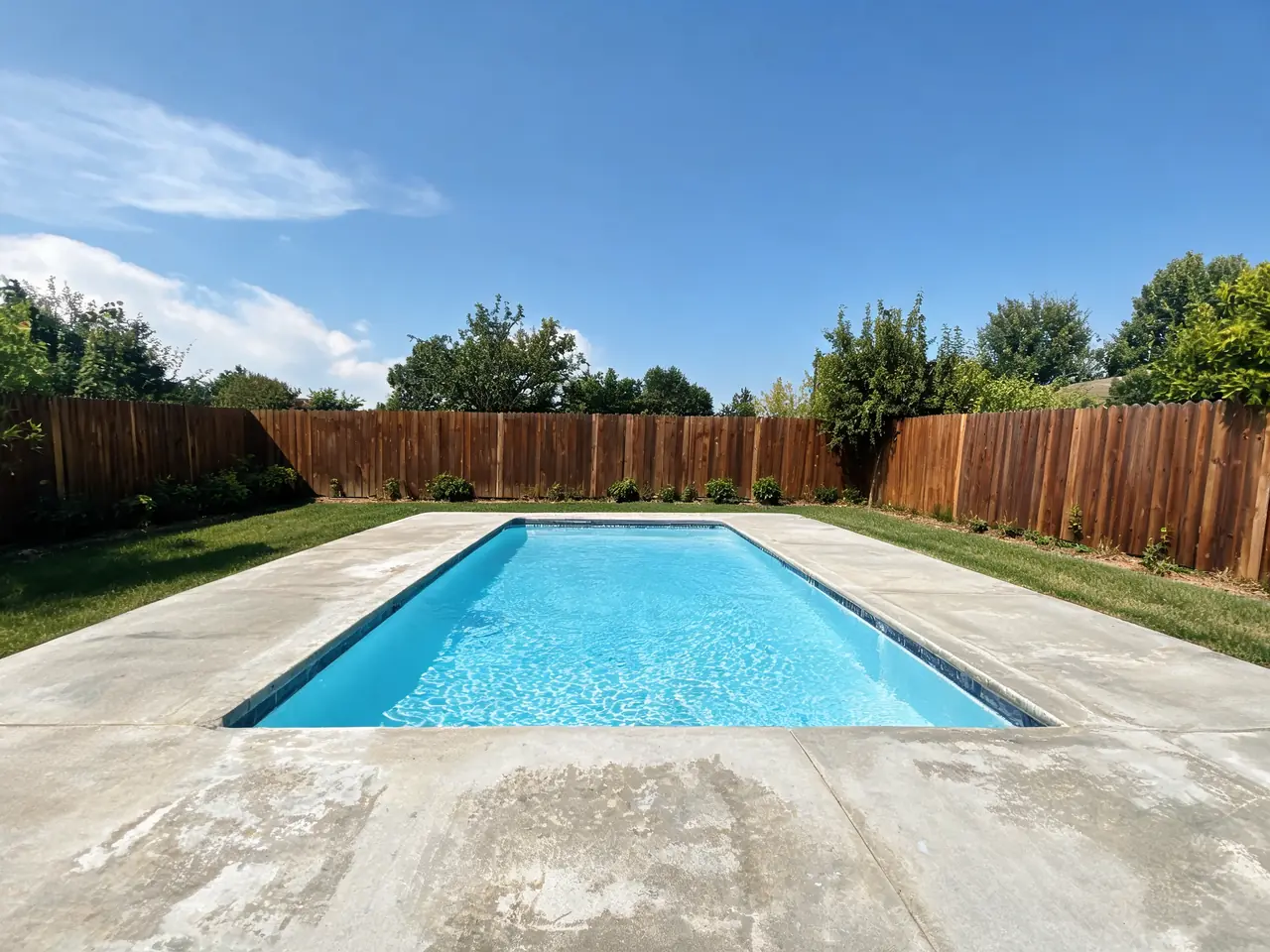
Drag to compare
Real, unretouched output from this tool. Drag any slider to compare.
A deck restain, a railing swap or a screen enclosure is a four-figure decision usually made from a catalog thumbnail. This puts the change on your actual deck or porch first.
Free to try · results in about 30 seconds · no credit card
What a deck visualizer actually does
The tool starts from your photo rather than a generic deck. It reads the structure in the image — where the boards run, where the posts sit, how the stairs meet the yard — and re-renders only the surfaces you asked to change. The house stays your house, the yard stays your yard, and the deck keeps its real dimensions.
That matters because deck and porch decisions are context decisions. A cedar stain that looks warm in a catalog can clash with red brick; black metal railing that looks sharp on a modern build can look severe on a cottage. Seeing the change against your own siding, roof and planting answers the question a sample chip cannot.
There is nothing to set up: no measurements, no 3D model, no plugin. A phone photo taken from the yard is enough, and most people already have one.
Choosing decking paint and stain colors
Decking paint and deck stain solve different problems, and the preview makes the difference visible. Solid deck paint covers completely — it hides gray, patched or mismatched boards and gives you any color a wall could take, but it also hides the grain and shows wear in high-traffic lanes sooner. Semi-transparent stain keeps the grain visible and weathers more gracefully, but it can only darken or warm what is there; it will not turn gray boards white.
The practical rule: if your boards are sound and you like wood looking like wood, preview two or three semi-transparent stains — cedar, walnut, a gray-brown driftwood tone. If the boards are patched, stained or previously painted, preview solid colors instead, and test them against the house body color, not in isolation. A deck reads as part of the elevation: a charcoal deck under warm beige siding sits differently than the same charcoal under white.
Porch floors are their own case. Traditional porch and floor paint in gray, greige or haint-blue-adjacent tones is a classic for a reason — it hides dirt between sweepings and pairs with almost any body color. Run your porch photo through one classic gray and one adventurous color, and the right answer is usually obvious the next morning.
Railings, screens and pool decks — the rest of the leg
Railings change the read of a porch more than any other single element, because they sit at eye level from the street. The visualizer swaps the style while keeping the posts and stair runs where they are, so you can compare black metal against white spindles or a cable rail on the same photo. If you want a tour of what exists before committing, the porch railing ideas gallery walks through twelve styles with honest notes on materials and what each suits.
A screened-in conversion is the biggest jump this tool previews: the structure does not change, but the room does — an open porch becomes a bug-free evening space. The render adds the frames and mesh over your real columns and roofline, which answers the question owners actually have: will screens make my porch feel enclosed or cozy? The screened-in porch ideas gallery shows the main frame styles before you preview one on your own photo.
Pool decks are a materials decision more than a color decision — travertine stays cooler underfoot than dark pavers, stamped concrete costs less than natural stone, composite drains differently than brick. The Pool Deck mode re-surfaces the area around your actual pool shape; the pool deck ideas gallery covers the common materials with notes on what each one suits.
What the render can tell you, and what it cannot
The render is a decision aid, not a product sample. It is genuinely good at relative comparison: whether cedar or walnut suits your siding, whether black railing sharpens or hardens your porch, whether screens make the space feel smaller. Those are the questions most people actually have.
It cannot give you a color-accurate stain match — screens are not calibrated and stain behaves differently on old wood than new. Sheen, texture underfoot and how a finish wears are invisible in any preview. The workflow that works: narrow to two options here, then buy sample cans or request material samples for those two, and check them on the real boards in morning and evening light.
That still saves the expensive mistake. Eliminating five stain colors on screen in two minutes costs nothing; eliminating them with sample cans costs a weekend and the confidence of whoever you share the deck with.
Deck & porch ideas and more exterior tools
🖌️
Deck & Porch Visualizer
Upload your imageTap anywhere here — your AI design will appear in this space after you generate.JPG · PNG · WebP
Preview deck paint and stain colors on your own boards
Premium users can generate images without watermark
Higher quality options available for premium users
The deck paint or stain color you want to preview
Solid paint hides the grain; semi-transparent stain lets it show through
Output quality:
Frequently Asked Questions
Yes. The Deck Paint & Stain mode is free to try with no credit card. Upload a daylight photo of your deck, type the color you are considering, choose solid paint or semi-transparent stain, and compare two or three renders before buying a sample can. Free accounts include a limited number of generations; paid plans add credits, remove watermarks and unlock premium models.
Yes — the Porch & Deck Railing mode replaces your existing railing with a different style: black metal balusters, classic white spindles, horizontal cable, farmhouse X-pattern, glass panels, composite, wrought iron or a wood-and-metal mix. The new railing follows your real post positions and stair runs, so you can judge the style at your actual porch height and length.
Yes. The Screened-In Conversion mode adds frames and fine insect screening over your existing porch or covered deck without changing the structure — the roofline, columns and floor stay exactly where they are in your photo. It is the fastest way to answer whether screens would make your porch feel enclosed or cozy before talking to a contractor.
It follows the pool shape in your photo — rectangular, freeform or lagoon — and resurfaces the deck area around it while keeping the water, coping line, house and fencing unchanged. Materials include travertine, stamped concrete, composite decking, flagstone, brushed concrete, porcelain tile and brick pavers.
Solid deck paint covers completely — best when boards are gray, patched or mismatched, and it opens the full color range. Semi-transparent stain keeps the wood grain visible and weathers more gracefully, but only works with the wood tone underneath. The visualizer renders both finish types, so run your photo through one of each and compare on your actual boards.
It is a strong guide for comparing options on your real deck — the structure, house and landscaping are kept as photographed, and materials are rendered with realistic texture. It is not a color-accurate product match: screens vary and stain behaves differently on aged wood. Use it to narrow to two options, then confirm with real samples on the boards before ordering.
A daylight photo that shows the whole deck or porch plus the house edge behind it. For railings, shoot from the yard or walkway so the full railing run is visible. For pool decks, a photo from a corner of the yard that shows the pool and the surrounding surface works best. JPG, PNG or WebP under 10MB.