Wood, vinyl, aluminum, wrought iron, chain link and composite, in a range of styles and colors, placed into your own property photo.
AI Fence Design
AI Fence Design is a free AI tool. Free AI fence designer - Visualize fences and gates around your property. Preview materials, styles, and colors before installation.
Free to try · first generation free on signup · no credit card
1
Step 1
Select Mode
Choose your transformation style
Generate fence designs from text description
2
Step 2
Options
Configure your options
Output quality:
Mode
Generate Fence Concept
Your AI Design Will Appear Here
Fill in the options on the left, then press Generate.
Upload your image
Drag & drop your file here or click to browse
JPG, PNG, WebP
Max 10MB
AI Ready
Popular in Home Design Studio
Paint My House AIExterior House Paint AIAI Kitchen DesignAI Bathroom DesignAI Bedroom DesignFree AI Architecture GeneratorAI Interior Design From a PhotoAI Landscaping DesignHome Color Combination AIAI Curb Appeal RaterAI Interior Design RaterAI House Style IdentifierAI Renovation Cost EstimatorAI Day to Dusk Photo EditingAI Declutter Room PhotosAI Home Addition VisualizerAI Home Design Tools Compared
Quick facts about AI Fence Design
- Tool nameAI Fence Design
- CategoryHome Design
- PriceFree to try
- InputText prompt
- OutputAI-generated image
A fence is one of those projects where the decision that matters most — does this material and height actually suit the house — is nearly impossible to judge from a sample board or a catalog photo of someone else's yard. This tool adds the fence into your own property photo so you can compare materials, colors and heights against your actual house before a contractor shows up with a quote.
Free to try · results in about 30 seconds · no card required
Choosing a fence material for the job you actually need
Wood is still the most flexible material — it can be built as solid privacy panels, spaced pickets, horizontal slats or a ranch-style rail fence, and it takes stain or paint in almost any color. The tradeoff is maintenance: untreated wood needs restaining or sealing every few years to resist warping, graying and rot, especially in wet climates.
Vinyl costs more upfront than wood but needs essentially no maintenance beyond occasional washing — it will not rot, splinter or need repainting. It comes in a narrower color range (mostly white, tan and gray) and a damaged panel usually has to be replaced as a full section rather than patched.
Aluminum and wrought iron suit fences that are meant to define a boundary or protect a pool without blocking the view — both are strong, low-maintenance, and typically installed as open picket-style panels rather than solid privacy screens. Chain link is the budget and security-first choice, most common for backyards, side yards and anywhere the priority is keeping something in or out rather than looking decorative. Composite splits the difference: wood-look texture with less upkeep than real wood, usually at a materials cost between wood and vinyl.
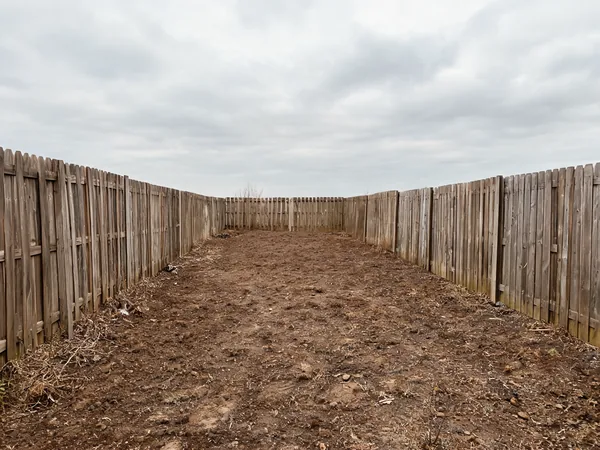
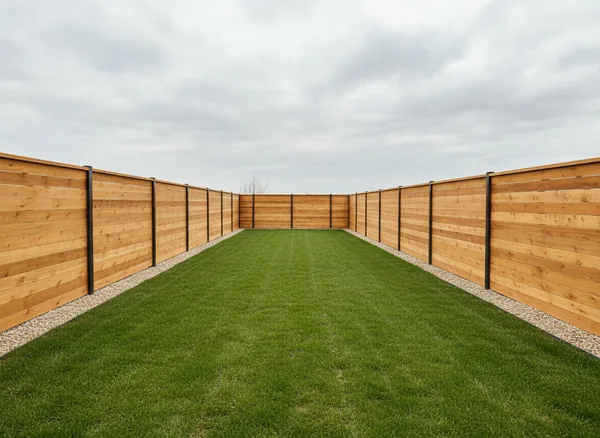
Height and style: privacy, curb appeal and the rules that govern both
Four-foot fences are the front-yard default in most neighborhoods — tall enough to mark a boundary and keep small kids or dogs contained, low enough to stay open and welcoming rather than walling off the house from the street. Many municipalities cap front-yard fence height specifically for this reason, so it is worth checking local rules before designing a taller front fence.
Six-foot fences are the standard for backyard privacy — tall enough that a person standing at typical eye level cannot see over it, which is the usual legal definition of a privacy fence. Eight-foot fences are less common for residential use and usually reserved for specific needs: extra security, sound buffering next to a busy road, or a substantial height difference between neighboring properties.
Style follows function more than the reverse. A picket fence signals "friendly boundary" and suits a front yard; a solid privacy fence signals "this is our space" and suits a backyard; a modern horizontal-slat fence reads as contemporary and pairs naturally with a house that already has clean, minimal lines rather than a traditional facade.
Color, gates and getting a result you can trust
Natural wood tone is the most forgiving color choice because it changes gracefully as it weathers, while painted white or black fences show scuffs, dirt and fading more visibly and need repainting sooner to stay looking fresh. Gray has become a common middle ground — it reads as modern without the stark maintenance demands of solid white.
A fence color that looks right in a catalog swatch can clash once it is next to your actual siding, brick or trim color, which is exactly the mismatch this tool is built to catch before you buy material. Testing black wrought iron against a warm-toned brick house, for instance, often looks sharper in a photo of your real house than it does in the abstract.
Photograph the boundary straight-on where possible, in daylight, showing the full run of fence line you are planning to add. A wide, even shot gives the AI more of the actual boundary to work with and produces a more accurate placement than a tight or angled crop.
Before you order materials
This tool is for deciding on material, style, color and height — it is not a survey, a property-line document, or a permit. Fence placement, boundary disputes and required setbacks from the property line are legal and surveying matters, not something a photo can resolve.
Many municipalities and HOAs regulate fence height, material and even color, particularly for front yards, corner lots and anything near a pool. Check local rules before finalizing a design, especially if the render shows something taller or more solid than what you have now.
Once you have a material and height you are happy with, the render is a useful reference to hand a fencing contractor — it removes the ambiguity of describing a style verbally and gets you a more accurate quote.
✨
AI Fence Design
Generate fence designs from text description
Be specific for better results0/400
Output quality:
Frequently Asked Questions
Yes. Visualize 4-foot, 6-foot or 8-foot fences to compare privacy and curb appeal before deciding on a height.
Upload a photo of your property and the AI places the fence realistically in the image, keeping the house, driveway and landscaping as photographed.
Six feet is the common standard for backyard privacy — tall enough that a person at typical eye level cannot see over it. Four feet is the usual front-yard default; eight feet is less common and usually reserved for extra security or sound buffering.
Often yes, and many municipalities and HOAs cap height or restrict material and color, especially in front yards or near pools. This tool helps you decide on a design; check local rules and property lines before building.
Vinyl and aluminum need the least upkeep — no restaining or repainting. Wood looks the most natural but needs sealing or staining every few years; composite splits the difference.
Yes. Use Generate Fence Concept to create a fence design from a text description alone, without a property photo.
Signing up gives you free credits with no card required, enough to try several fence materials and heights. Paid plans add credits and unlock the whole platform rather than charging per tool.