Your first generation is free when you sign up. Paid plans add credits, remove the watermark and unlock higher resolution.
Pacific Blue Siding: See CertainTeed Pacific Blue on a Photo of Your Own House
Pacific Blue is a CertainTeed vinyl siding color, a muted slate blue-gray. See how it looks on a whole house, how it compares with other blues, what trim suits it, and try it free on your own house photo.
Free to try · first generation free on signup · no credit card
1
Step 1
Upload Image
Start by uploading image
Upload your image
Click to browse or drag & drop
2
Step 2
Select Mode
Choose your transformation style
Pacific Blue and nearby blues in lap siding
3
Step 3
Options
Configure your options
Related Tools
→try new exterior paint colors on your own photo
→redesign a home exterior from a single photo
→plan a new yard or garden layout from a photo
→repaint a car in any shade before you commit
Output quality:
Mode
Pacific Blue Lap Siding
Your AI Design Will Appear Here
Fill in the options on the left, then press Generate.
Upload your image
Drag & drop your file here or click to browse
JPG, PNG, WebP
Max 10MB
AI Ready
Quick facts about Pacific Blue Siding: See CertainTeed Pacific Blue on a Photo of Your Own House
- Tool namePacific Blue Siding: See CertainTeed Pacific Blue on a Photo of Your Own House
- CategoryHome Design
- PriceFree to try
- InputPhoto upload + text prompt
- OutputAI-generated image
Before / After
Example results
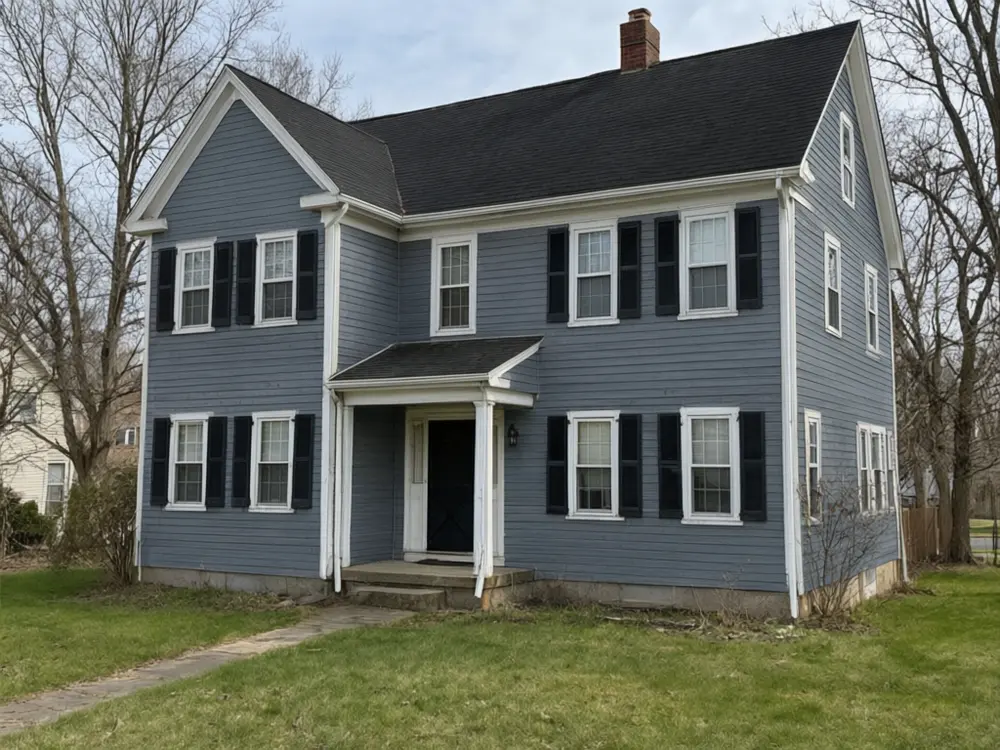
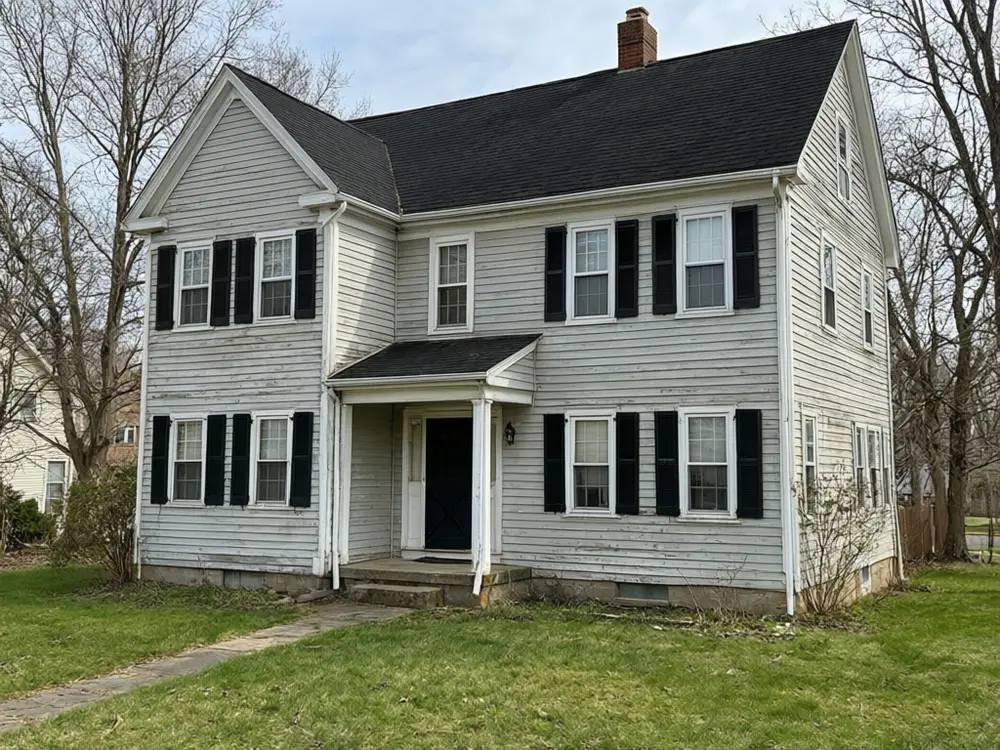
Drag to compare
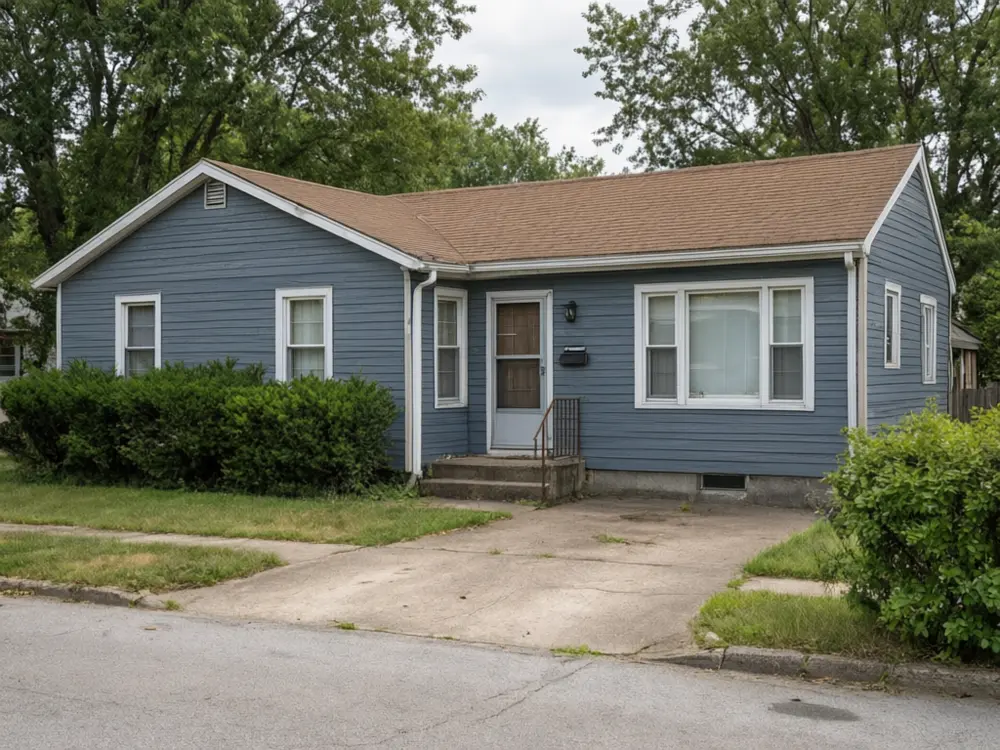
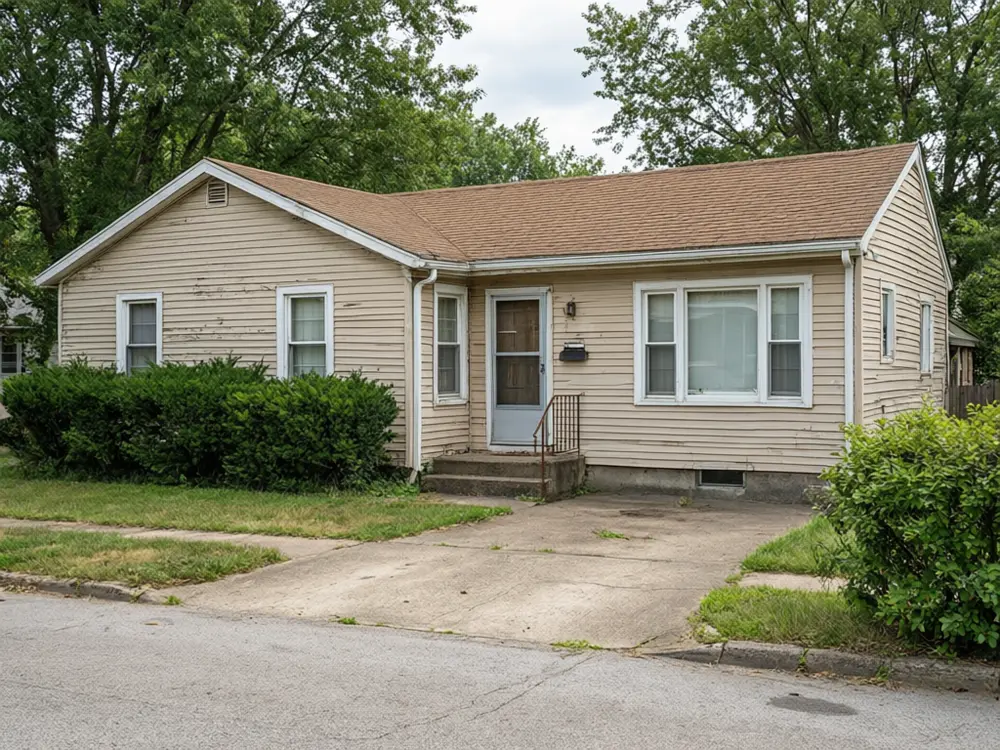
Drag to compare
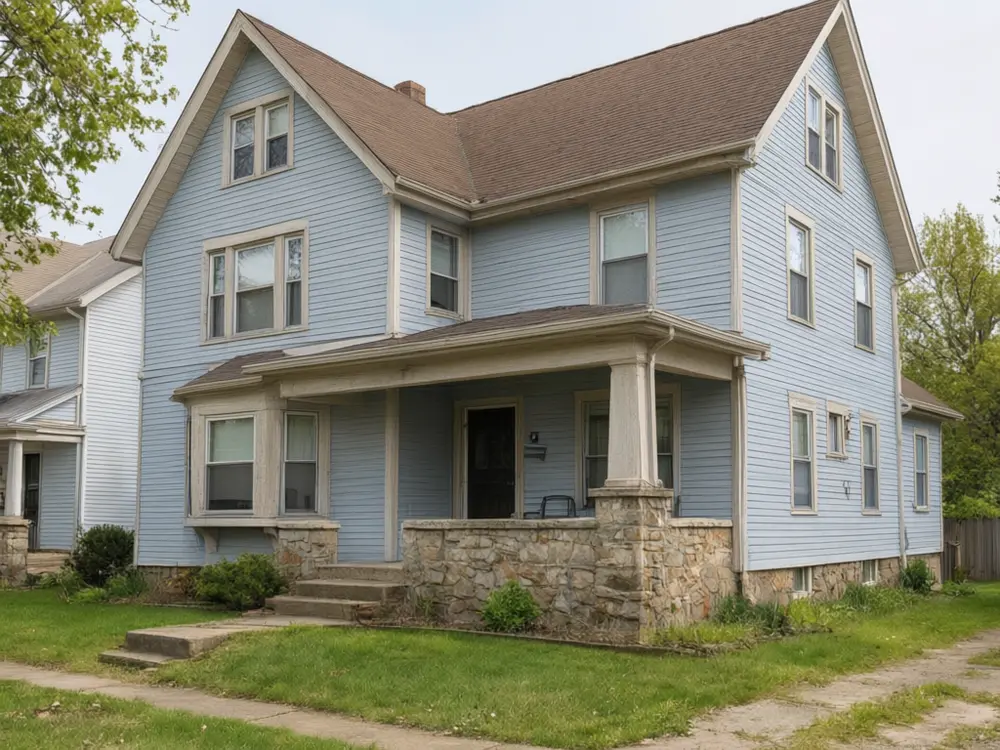
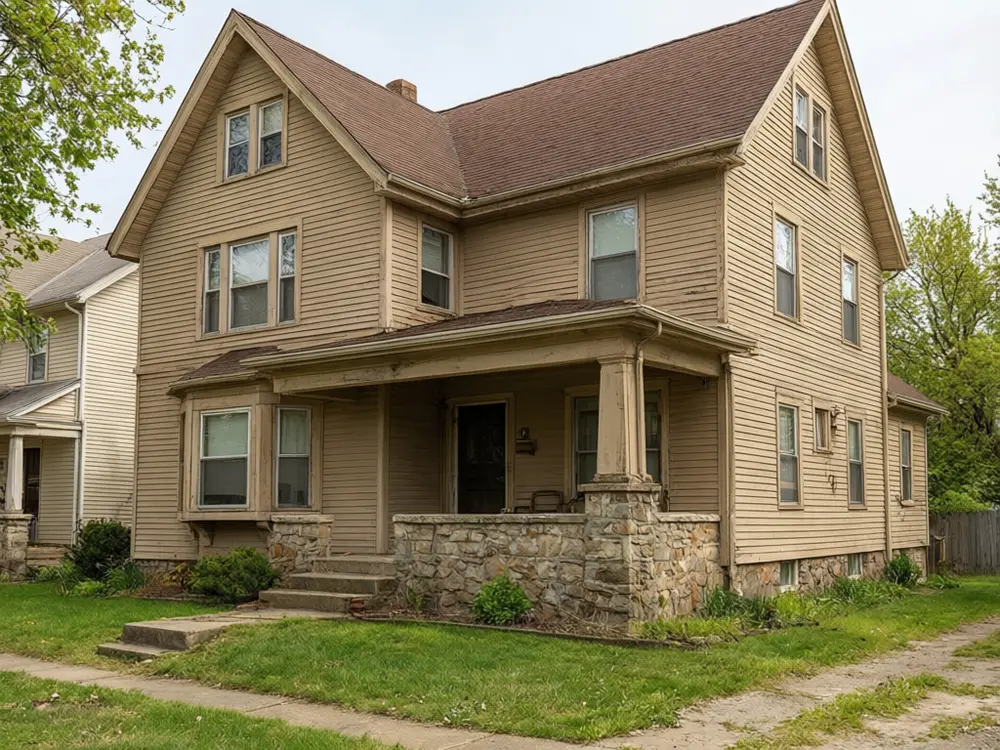
Drag to compare
Real, unretouched output from this tool. Drag any slider to compare.
Pacific Blue is a CertainTeed vinyl siding color: a muted blue-gray with a slate or steel cast. Photos online disagree on how light it is, because blue-grays shift a lot with light and screens. Below is what Pacific Blue really is, which lines it comes in, how it compares with nearby blues, what goes with it, and a tool to try it on a photo of your own house.
What Pacific Blue is
One brand, several lines.
1
Whose color it is
Pacific Blue is a CertainTeed color. We did not find it at Alside, Royal, Mastic or Kaycan, so a quote for "Pacific Blue" from another brand is a different color.
2
Which lines
CertainTeed lists it in Monogram and in several other lines, such as Cedar Impressions, Restoration Classic, Board & Batten and RISE. Availability changes, so check with your dealer.
3
How it looks
The current brochure swatch is a muted, fairly dark slate blue-gray. Some reviewers describe it as light and beachy, others as nearly gray. In shade it reads grayer; in full sun it reads bluer.
Pacific Blue next to other blues
If Pacific Blue is close but not quite right.
1
Lighter
Alside Mystic Blue is a softer, lighter gray-blue.
2
Deeper
Alside Harbor Blue and Midnight Blue are deeper, with Midnight close to navy.
3
Other brands
Royal Indigo and Gentek Coastal Blue are often named among the best blue siding colors.
What goes with Pacific Blue
Pairings for a blue-gray house.
1
Trim
Crisp white trim is the classic choice and brings out the blue.
2
Front door
A red or yellow door gives a coastal look. Natural wood also works.
3
Roof
Charcoal or black shingles suit it best.
4
Stone
Gray stone at the base keeps the cool tone.
Before you order
A picture helps you choose a direction. These checks help you choose the actual siding.
1
Get a real sample and look at it outside
Siding looks lighter in full sun and darker in shade, and a small chip looks darker than a whole wall. Hold a sample against your house at different times of day before you order.
2
Colour names are brand-specific
A Clay or a Sage from one brand is not the same colour as one with the same name from another brand. Always say the brand, the product line and the colour name together.
3
Lines carry different colours
Within one brand, each siding line (for example a budget line and a premium line) has its own colour list. A colour you like may only exist in one line.
4
Dark vinyl needs the right product
Dark vinyl colours absorb more heat. Most brands make their deep colours in heat-resistant lines; ask your installer before choosing a very dark shade.
5
Check HOA rules
Many homeowner associations approve exterior colours. Ask before you order, and bring the picture with you.
Get a local quote
Save your before and after picture and take it to two or three local siding installers when you ask for quotes. Tell each one the brand, the line and the colour name you want.
Ask each installer to bring a sample of Pacific Blue and to confirm it is stocked in your area. A picture of your own house makes it easy for them to see what you mean.
Honest limits
The tool draws an approximation of each colour from a description of its tone. It is not the manufacturer's swatch, and the siding profile is a general lap, shake or board-and-batten look, not a specific product.
It is a preview, not a quote or a survey. It does not measure your walls or give prices.
Trim, shutters and the roof are kept as photographed. If you plan to change them too, use the house painter or roof tools afterwards.
AI Two is not affiliated with any siding manufacturer. Brand and colour names belong to their owners and are used only to describe colours.
More siding colour guides
Each guide runs the same tool on your own house.
🏡
Best Siding Colors →
The colour families that work, and how to pick one.
🎨
Vinyl Siding Color Samples →
How to get real samples, and try them on your house first.
🌿
Green Vinyl Siding Colors →
Sage, cypress, ivy and other greens by brand.
📅
Siding Colors 2026 →
The colours trending this year, on your house.
🧱
Clay Siding →
Clay by brand, and what goes with it.
More tools for your home
Next steps for your house.
Who uses this
🏠
Homeowners replacing siding
✓See Pacific Blue on your own house, in sun and shade, before you order.
💡
Home sellers
✓See which siding colour would freshen the house before you list it.
🏢
Siding contractors
✓Show a customer their own house in two or three colours during a quote.
📸
Designers and real estate agents
✓Show a client how new siding could change the look of the house.
🌊
Pacific Blue Siding: See CertainTeed Pacific Blue on a Photo of Your Own House
AI Tool
Upload your imageTap anywhere here — your AI design will appear in this space after you generate.JPG · PNG · WebP
Pacific Blue and nearby blues in lap siding
Premium users can generate images without watermark
Higher quality options available for premium users
Be specific for better results0/400
Output quality:
Frequently Asked Questions
CertainTeed. We did not find a Pacific Blue at Alside, Royal, Mastic or Kaycan.
It is a muted blue-gray. The current CertainTeed swatch is fairly dark and slate-like; in bright sun it can look lighter and bluer.
White trim is the classic pairing. A red or yellow front door adds a coastal touch.
Charcoal or black shingles.
Monogram, and lines such as Cedar Impressions, Restoration Classic, Board & Batten and RISE. Check current availability with a dealer.
The picture is an approximation. Blue-grays shift with light, so look at a physical sample outside before you order.