Your first generation is free when you sign up. Paid plans add credits, remove the watermark and unlock higher resolution.
Light Colored Shingles: Heat, Looks and a Preview on a Photo of Your Own House
Light Colored Shingles: Heat, Looks and a Preview on a Photo of Your Own House is a free AI tool. Do light colored shingles keep a house cooler? The honest pros and cons, cool-roof ratings, the light colors brands sell, and a preview of a lighter roof on your own house.
Free to try · first generation free on signup · no credit card
1
Step 1
Upload Image
Start by uploading image
Upload your image
Click to browse or drag & drop
2
Step 2
Select Mode
Choose your transformation style
Light colors and a dark comparison
3
Step 3
Options
Configure your options
Related Tools
→try new exterior paint colors on your own photo
→redesign a home exterior from a single photo
→plan a new yard or garden layout from a photo
→repaint a car in any shade before you commit
Output quality:
Mode
Light Shingle Colors
Your AI Design Will Appear Here
Fill in the options on the left, then press Generate.
Upload your image
Drag & drop your file here or click to browse
JPG, PNG, WebP
Max 10MB
AI Ready
Quick facts about Light Colored Shingles: Heat, Looks and a Preview on a Photo of Your Own House
- Tool nameLight Colored Shingles: Heat, Looks and a Preview on a Photo of Your Own House
- CategoryHome Design
- PriceFree to try
- InputPhoto upload + text prompt
- OutputAI-generated image
Before / After
Example results
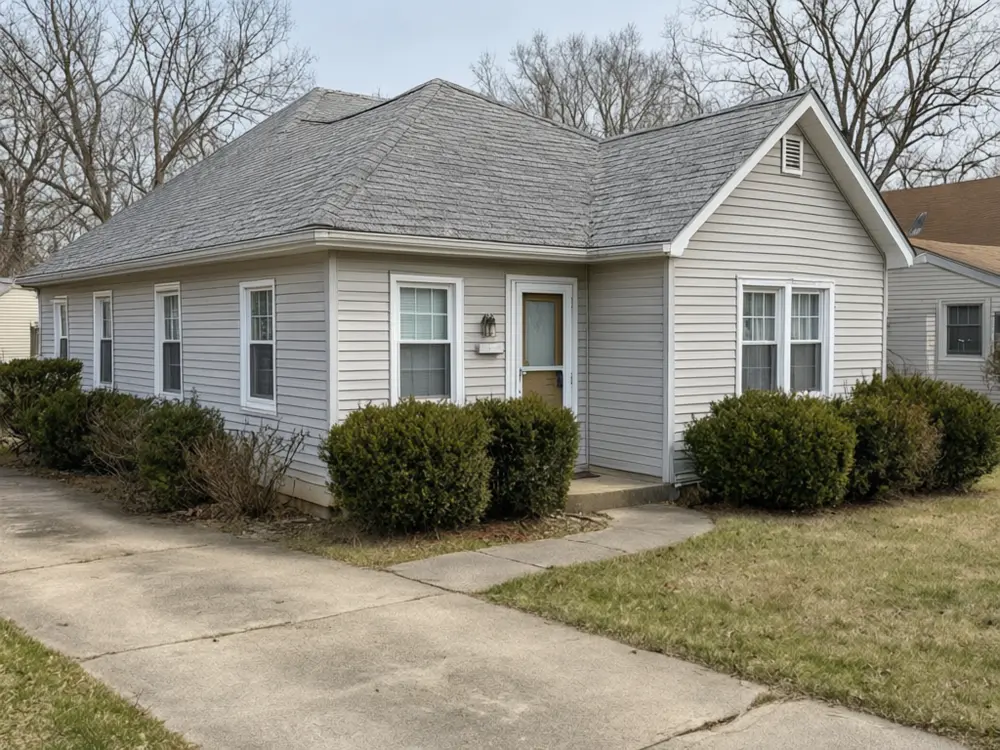
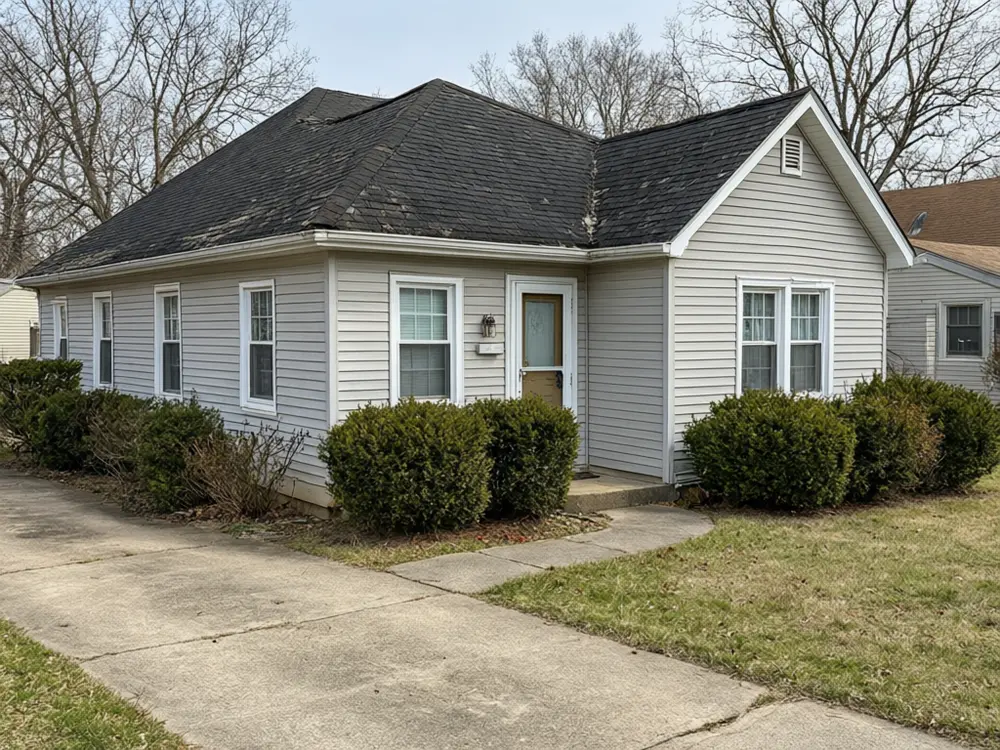
Drag to compare
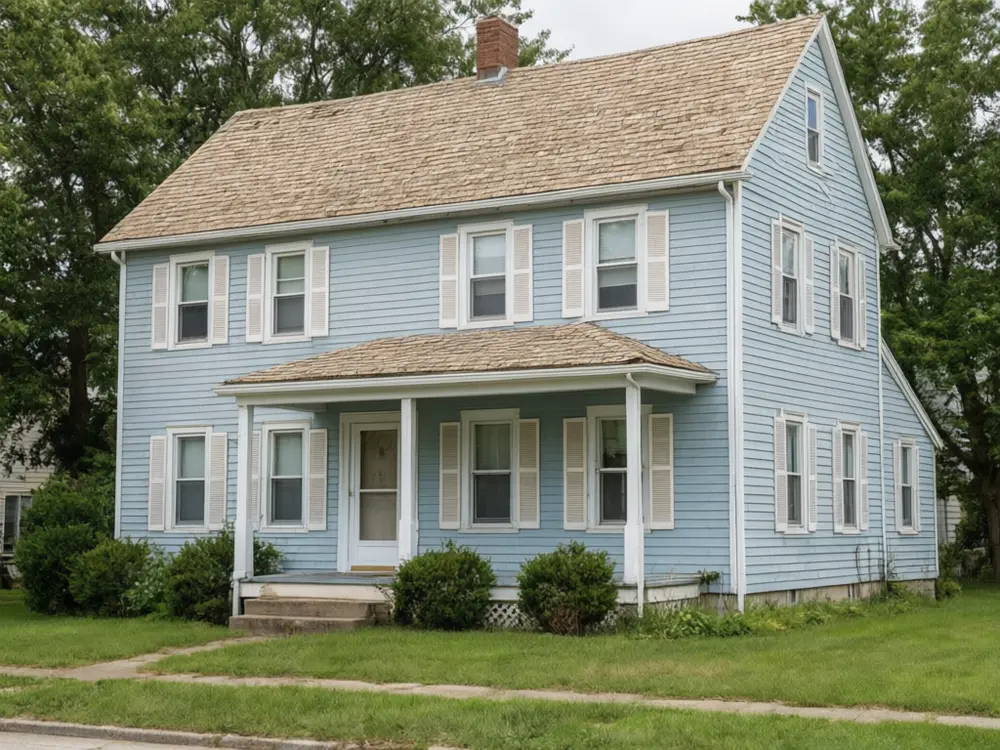
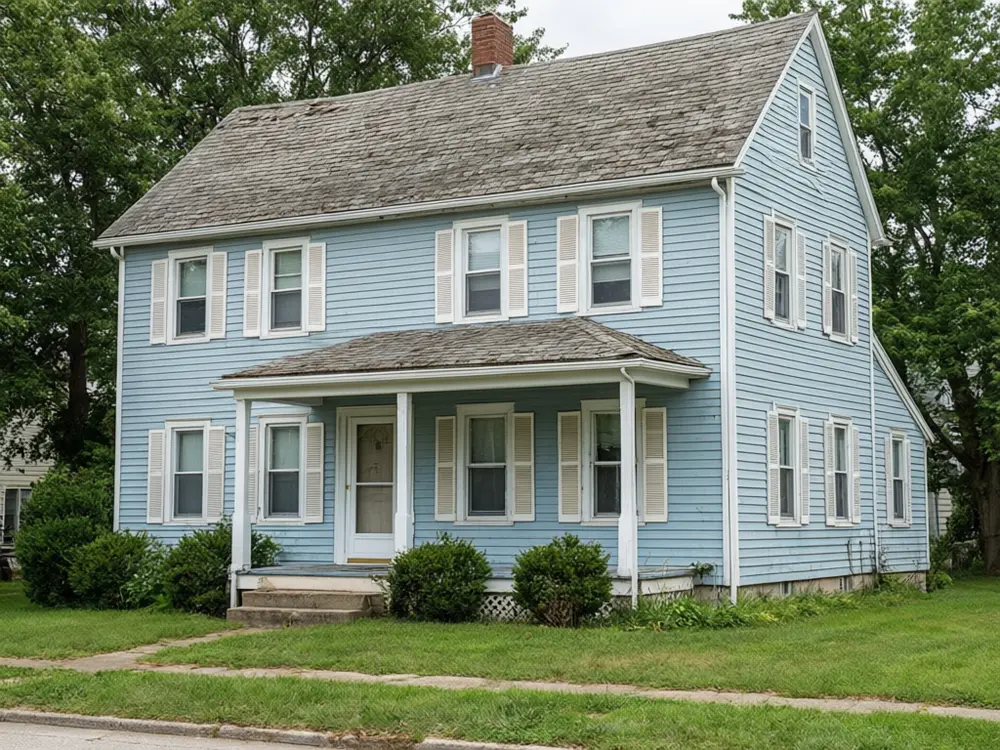
Drag to compare
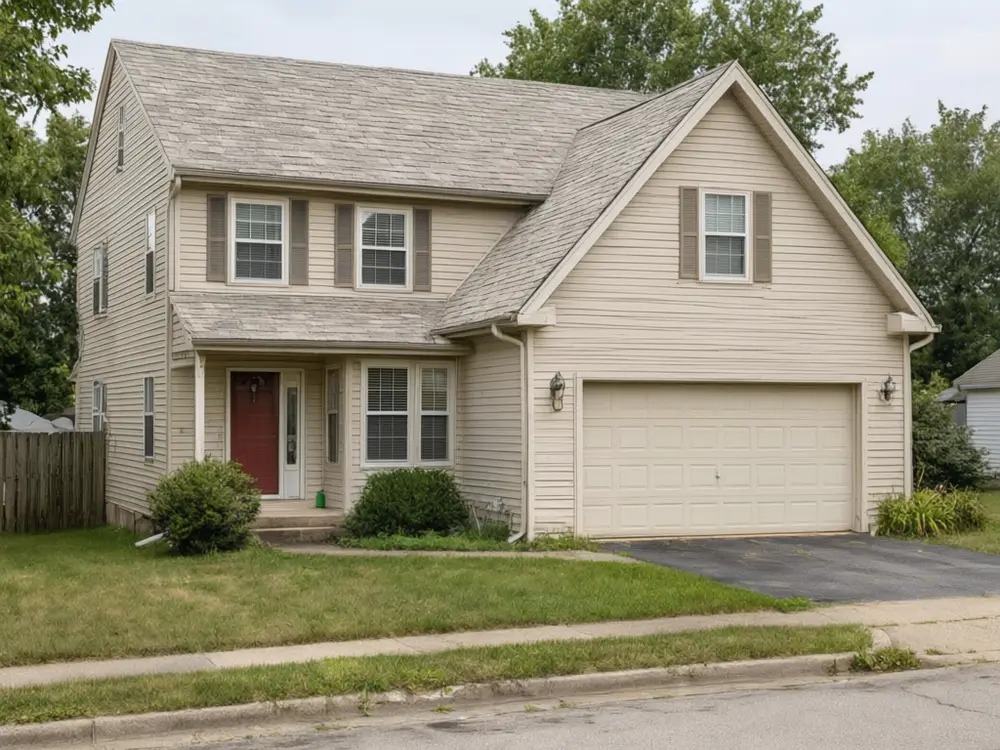
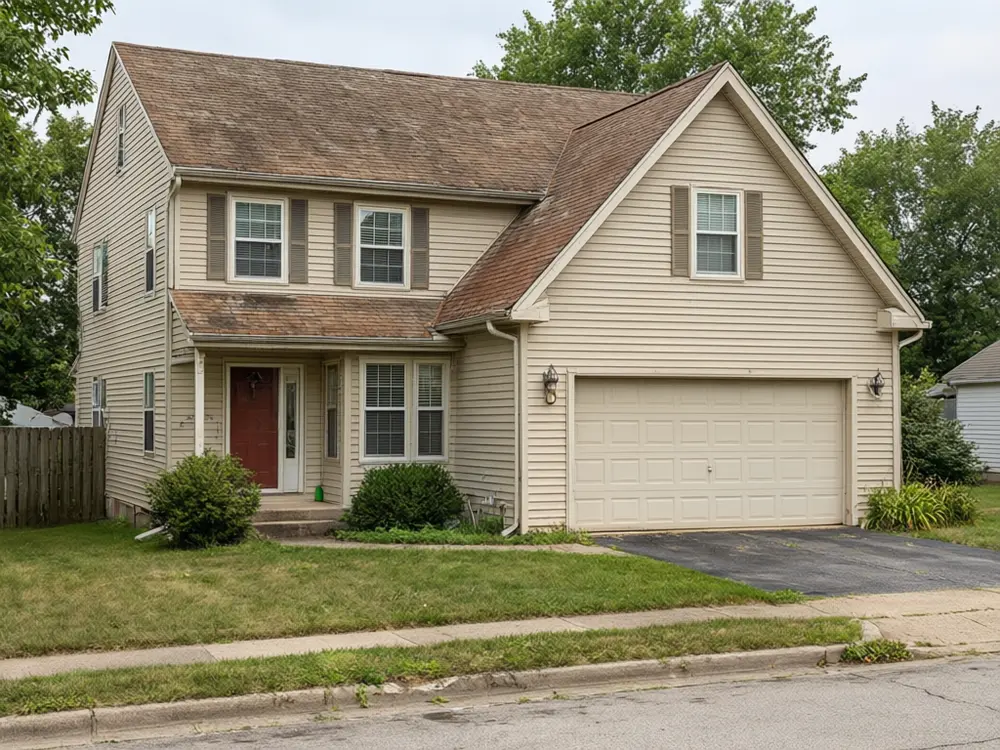
Drag to compare
Real, unretouched output from this tool. Drag any slider to compare.
Light colored shingles reflect more sunlight than dark ones, so the roof and attic stay a little cooler in hot weather. They also show dirt and streaks more, and they change the look of a house more than people expect. Below are the honest pros and cons, what cool-roof ratings mean, and the light colors the big brands sell. Then try a light roof and a dark roof on a photo of your own house.
Do light colored shingles keep a house cooler?
They help in hot, sunny climates. A lighter roof absorbs less sun, so less heat reaches the attic. How much that lowers a cooling bill depends on your climate, attic insulation and ventilation, so treat any savings figure with care.
In cold climates a dark roof gains a little more winter heat, and a light roof gives up that gain. Insulation and ventilation matter more than roof color in most houses.
Pros and cons
Weigh them for your climate and street.
1
Pros
Less heat in hot climates. A fresh, airy look on coastal, Mediterranean and modern houses. Some cool-roof shingles meet local energy codes.
2
Cons
Show dirt, moss and algae streaks more. Can look glaring or washed out on light siding. Less winter heat gain. Fewer color choices.
3
HOA and resale
Some HOAs limit roof colors; check first. Neutral light grays and tans are safer for resale than white.
What SRI and cool-roof ratings mean
Solar Reflectance Index (SRI) combines how much sunlight a roof reflects and how well it sheds heat. Higher means cooler. Most standard asphalt shingles score low; cool-roof shingles use reflective granules to score higher.
Ratings come from the Cool Roof Rating Council (CRRC). California's Title 24 energy code and some cities set minimum ratings for some re-roofs. Ask your roofer what your local code requires.
1
GAF Cool Series
Cool Barkwood, Cool Weathered Wood and Cool Antique Slate. GAF lists SRI of about 27 to 30.
2
Owens Corning
Shasta White (Supreme) is its lightest color; older COOL brochures list it at SRI 29. Sierra Gray and Sand Castle are light Duration colors.
3
CertainTeed
Solaris cool-roof granules, with SRI above 20 per its brochure.
Light colors the big brands sell
White: Owens Corning Shasta White. Light gray: Owens Corning Sierra Gray, GAF Oyster Gray, CertainTeed Silver Birch. Gray-beige: GAF Birchwood. Light tan: Owens Corning Sand Castle, GAF Driftwood. Ratings vary by product; check the current data sheet.
Before you order
A picture helps you choose a direction. These checks help you choose the actual shingle.
1
Look at a real sample in daylight
A roof looks lighter in full sun and darker in shade, and a small swatch looks different from a whole roof. Ask your roofer or supplier for a sample board and hold it next to your siding or brick outside.
2
Availability varies by area
Manufacturers sell some colors only in some regions, and the list can change. Ask a local supplier which colors they stock before you fall for one.
3
Color names are brand-specific
A Driftwood or a Pewter from one brand is not the same color as one with the same name from another brand. Always say the brand, the product line and the color name together.
4
Check HOA rules
Many homeowner associations approve roof colors. Ask before you order, and bring the picture with you.
5
Think about climate
Dark roofs absorb more heat, light roofs reflect more. In hot areas ask about "cool" or reflective shingles.
Get a local quote
Save your before and after picture and take it to two or three local roofers when you ask for quotes. Tell each one the brand, the product line and the color name you want, for example "Owens Corning Duration, Driftwood" or "GAF Timberline HDZ, Charcoal".
Ask each roofer to bring a sample of a light color and its cool-roof rating and to confirm it is stocked in your area. A picture of your own house makes it easy for them to see what you mean.
Honest limits
The tool draws an approximation of each color from a description of its tone. It is not the manufacturer's swatch, and the shingle pattern is a general architectural or 3-tab look, not a specific product.
It is a preview, not a quote, a survey, or a check of what your roof can carry. It does not measure the roof or give prices.
Roof-like cladding on walls, such as hung tiles on a gable, can change along with the roof. Compare the result with your photo.
AI Two is not affiliated with Owens Corning, GAF, CertainTeed or TAMKO. Brand and color names belong to their owners and are used only to describe colors.
The picture shows the look only. It cannot show heat, reflectance or energy use.
More shingle color guides
Each guide runs the same tool on your own house.
🏜️
Desert Tan Shingles →
Where Desert Tan exists, and the closest alternatives.
🏡
Best Shingle Color for a White House →
Black, gray, brown and more on a white house.
⬛
Charcoal Shingles →
Charcoal, pewter, estate gray and black compared.
🎨
Roof Shingle Colors →
Every color family, with the names each brand uses.
🪵
Driftwood Shingles →
Is Driftwood gray or brown? Compare the brands.
More tools for your home
Next steps for your house.
Who uses this
🏠
Homeowners replacing a roof
✓See if a lighter roof suits your house before you choose a cool-roof shingle.
💡
Home sellers
✓See which roof color would freshen the house before you list it.
🏢
Roofers and contractors
✓Show a customer their own house in two or three colors during a quote.
📸
Designers and real estate agents
✓Show a client how a new roof could change the look of the house.
☀️
Light Colored Shingles: Heat, Looks and a Preview on a Photo of Your Own House
AI Tool
Upload your imageTap anywhere here — your AI design will appear in this space after you generate.JPG · PNG · WebP
Light colors and a dark comparison
Premium users can generate images without watermark
Higher quality options available for premium users
Be specific for better results0/400
Output quality:
Frequently Asked Questions
They reflect more sunlight, which helps in hot, sunny climates. How much depends on your climate, insulation and ventilation.
Usually less so. A dark roof gains a little winter heat. Ask a local roofer about your climate.
Solar Reflectance Index: how well a roof reflects sun and sheds heat. Higher is cooler. Cool-roof shingles score higher than standard ones.
Yes, more than dark ones. Algae streaks and moss are more visible on light roofs.
White (Owens Corning Shasta White), light grays (Sierra Gray, GAF Oyster Gray), gray-beige (GAF Birchwood) and light tans (Sand Castle, GAF Driftwood), plus cool-roof versions of some colors.
No. It shows the look only. Ask for the product's CRRC rating to compare heat.
The picture is an approximation. Real colors depend on the light and the batch, so look at a physical sample in daylight before you order.