How to create a LinkedIn QR Code on AI Two
Generate a scan verified LinkedIn profile QR code for print and events. Free in QR Studio.
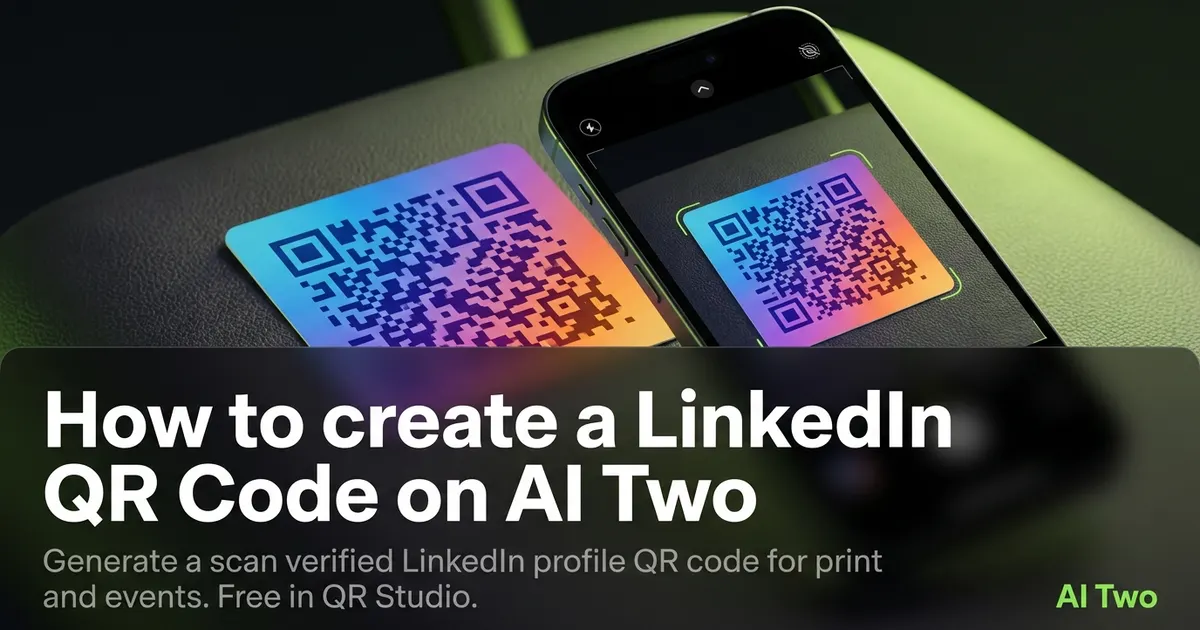
LinkedIn QR codes on AI Two live in QR Studio social tools. I open LinkedIn QR Code when a badge, booth poster, or business card should open our company or personal profile without typing a long URL. Every code is scan verified before download. When I tested a company page link on a conference badge insert, both phones landed on the correct LinkedIn view under bright hall lights. I regenerate the PNG whenever marketing changes the profile URL so old badges do not send visitors to a closed or renamed page.
What a LinkedIn QR code does
You enter the profile or company page URL, generate a QR image, and download a scan verified PNG for print or screen.
When I tested a personal profile link, the scan opened the mobile LinkedIn view so attendees did not need to spell the name aloud in a noisy booth.
Credits apply per generation. I lock the URL first, then pick size and color styling if the form offers it.
Stay in QR Studio for Instagram, Facebook, TikTok, and YouTube generators when the destination is another social profile.
I treat event codes like seasonal signage. If the profile URL changes, I regenerate and reproof.
Scan verification catches broken patterns before download. I still proof on paper at final size.
In my experience, a short call to action beside the code helps staff explain that the scan opens LinkedIn, not a generic website.
For conference seasons I date the filename so old badges are not mixed with a new company page after a rebrand.
I keep a printed proof in the event kit so booth staff scan the same code visitors see on the backdrop.
When a one day meetup runs only once, I still export at the final print width the badge vendor quotes instead of stretching a small PNG later.
I write the profile name and event month on the proof margin so staff can retire the insert when the show ends.
How to run it step by step
Step one: copy the exact profile or company URL from LinkedIn. Step two: open LinkedIn QR Code in QR Studio. Step three: paste the URL, generate, wait for scan verification, download. Step four: print or embed at the size you need. Step five: scan with two phones before a large print run.
I keep a screenshot of the destination profile in the project folder beside the PNG.
Store the file with the profile name in the filename notes.
If marketing changes the LinkedIn URL, regenerate. Do not edit modules in a layout app.
When I proofed a badge insert, hall fluorescent glare was the real test, not the monitor preview.
I note print width in millimeters beside the filename for vendor reorders.
If one phone struggles, I enlarge the art ten percent and regenerate.
I add the profile name in plain text under the code for visitors who prefer typing on slow venue WiFi.
I proof once on iOS and once on Android before I approve a badge run. One platform can fail while the monitor looks fine.
Credits apply per generation, so I lock the URL and call to action text before I explore color styling options.
When the booth also promotes Instagram, I keep a separate Instagram QR in the same folder instead of forcing one generic link.
Print and placement tips
Use high contrast modules on a light field for badges, cards, and booth posters.
Matte stock reduces glare. Glossy lanyard inserts can mirror overhead lights into the camera.
Size for the real viewing distance. Visitors often scan from arm length at a booth counter.
Leave a quiet zone free of logos and headshots.
Place the code where thumbs naturally reach on a badge. Corner placement on folded stock fails in the wild.
Test under the lighting that matches the venue, including bright exhibition halls.
Avoid printing over busy photography backgrounds without a white sticker island.
For outdoor job fairs, bump module size and quiet zone because phone cameras struggle under mixed daylight and tent shade.
Older cameras need bigger quiet zones than new flagships, so I size for the weakest phone I expect at the event.
Mistakes I avoid
Using a temporary campaign link that expires after the conference week.
Skipping the phone proof because the PNG verified on screen.
Printing five hundred badges before a two phone test.
Saving a low resolution PNG and upscaling in the layout app.
Mixing QR art with heavy dither textures that eat module edges on press.
Pointing the code at a personal chat URL on public signage when the brief needs the company page.
When to use another QR tool
Need Instagram, Facebook, TikTok, or YouTube instead? Open those pages in the social cluster. Need a generic website? Essential types. Need scan analytics? Dynamic codes in My QR Codes.
The social media cluster guide maps sibling pages. The QR Studio pillar maps everything else.
Business cards that promote several networks sometimes need separate codes per platform instead of one generic link.
If the job is email or phone contact instead of LinkedIn, open those contact generators in QR Studio rather than forcing this page.
After the download
I attach the verified PNG to the print vendor ticket with quiet zone notes so prepress does not crop modules.
For booths I schedule a mid-day scan test after install when hall lighting matches peak traffic.
If marketing rotates campaigns per event, I date the filename and retire old badges so staff do not post outdated LinkedIn destinations.
I keep a screenshot of the live LinkedIn page beside the PNG in the project folder for quick audits when a visitor reports a failed scan.
Booth staff sometimes swap backdrop creative without telling marketing, so the kit proof is the source of truth for which code is live today.
I store the payload URL in a text file beside the image so future teammates know which LinkedIn page the badge opens without opening design files.
FAQs
Related studio guides
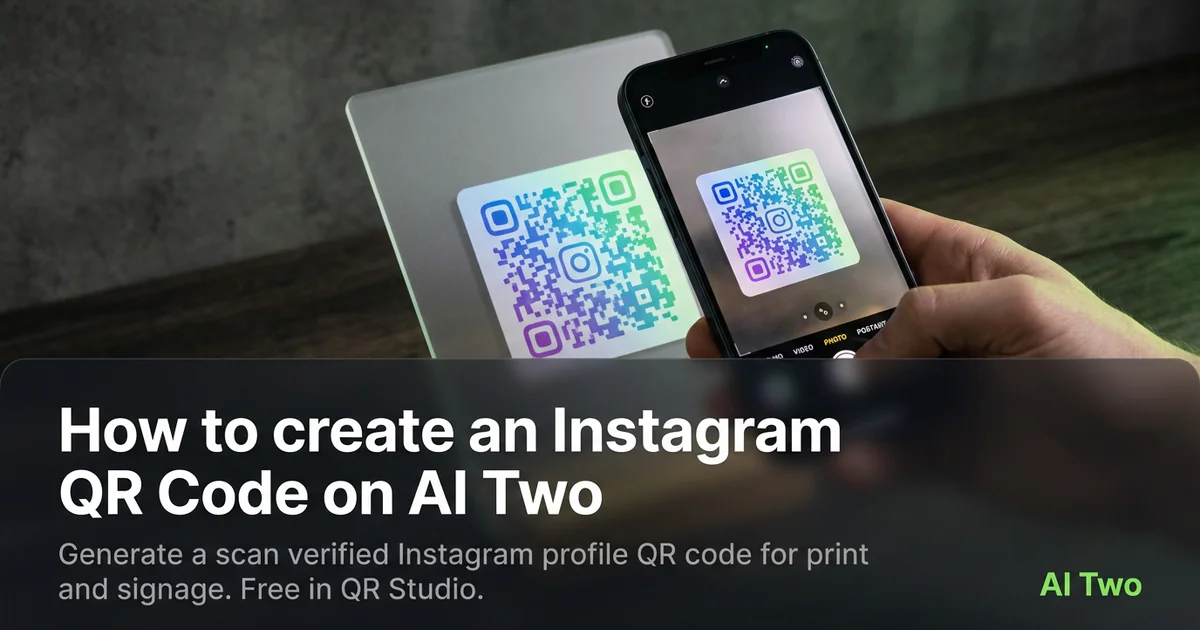
How to create an Instagram QR Code on AI Two
Generate a scan verified Instagram profile QR code for print and signage. Free in QR Studio.
Read guide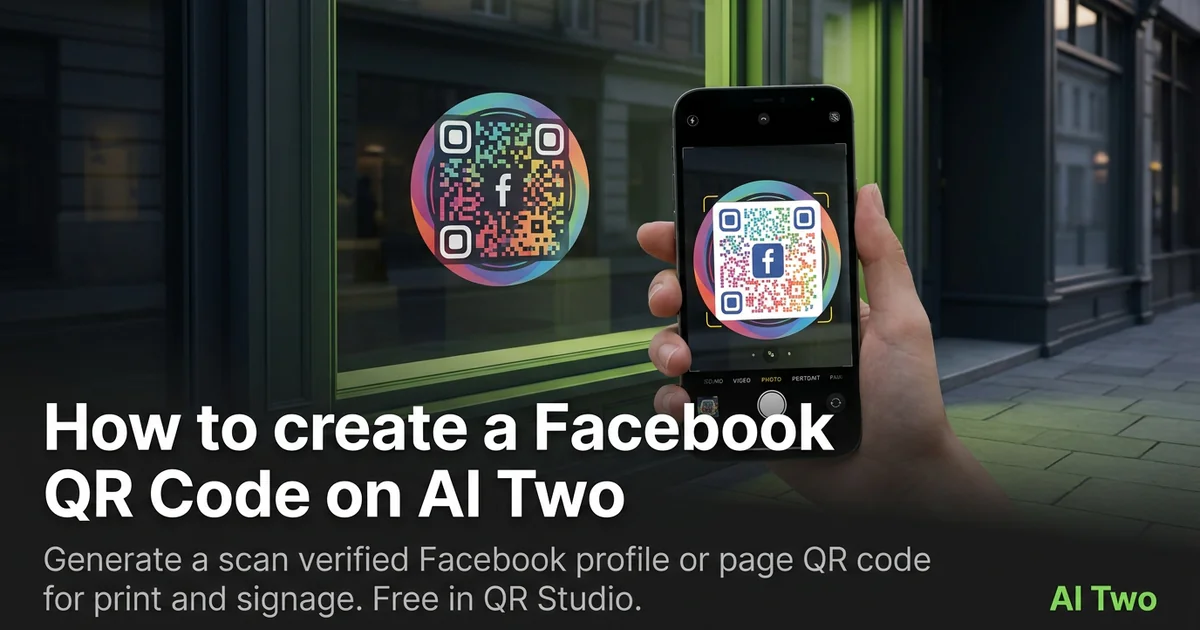
How to create a Facebook QR Code on AI Two
Generate a scan verified Facebook profile or page QR code for print and signage. Free in QR Studio.
Read guide
How to create a TikTok QR Code on AI Two
Generate a scan verified TikTok profile QR code for print and events. Free in QR Studio.
Read guide